
Medical
Pediatrics
Medical
Pediatrics
Assessing body composition is crucial in pediatrics, as it provides valuable information for monitoring growth trends throughout childhood and adolescence, ensuring that children grow up healthy and well.

What is Pediatrics?
Pediatrics is the branch of medicine that focuses on the health and medical care of infants, children, and adolescents, encompassing their physical, emotional, and social development.
Body mass index (BMI) is a simple weight-to-height ratio used to assess growth and health in children and adolescents. However, BMI should be interpreted cautiously, as it does not distinguish between fat and lean mass. Additionally, the complexities of growth and physical changes further complicate BMI interpretation among youth, highlighting the need for more comprehensive health indicators, such as body composition, to accurately track growth and development in children.
The Role of Body Composition Analysis in Pediatrics

Assess Risk of Childhood Obesity
Body composition analysis helps identify children at risk of childhood obesity, which can lead to other health problems such as diabetes, hypertension, and cardiovascular issues later in adulthood.

Track Physical Growth and Development
InBody’s Growth Graphs provide detailed insights into a child’s growth patterns, enabling pediatricians to monitor physical development more accurately.

Guide Nutritional and Activity Recommendations
By evaluating body composition, pediatricians can tailor nutritional advice and activity plans for children, promoting healthier lifestyles and fostering lifelong healthy habits.
How to Apply InBody in Pediatrics?
1
Evaluate Body Fat Mass and Percent Body Fat
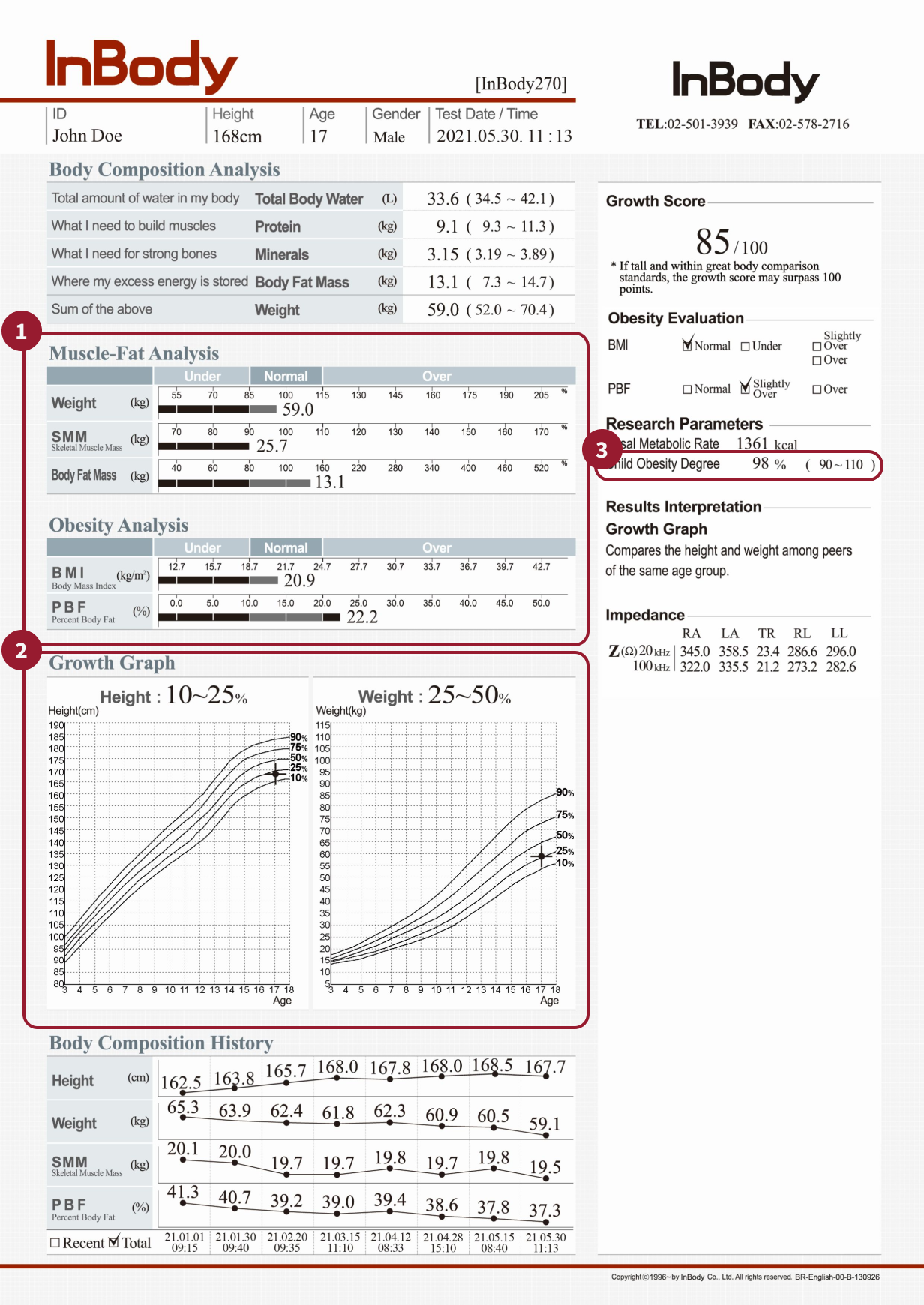
Children who have obesity have a higher risk of developing health problems such as diabetes, heart disease and asthma than their peers who maintain a healthy weight. Muscle-Fat Analysis and Obesity Analysis serves as effective tools for identifying children at risk of obesity or currently experiencing childhood obesity, offering a more comprehensive evaluation than BMI alone.
2
Track Child’s Physical Growth and Development using Growth Graphs
Evaluate growth development of a child by assessing Height-for- Age, Weight-for-Age and BMI-for-Age graphs. The graph includes growth percentiles, allowing comparison of a child’s growth with standard reference values. This helps determine if the child is growing at an expected rate compared to peers.
3
Assess Childhood Obesity with Child Obesity Degree
The Child Obesity Degree helps assess childhood obesity by comparing the current weight with the ideal weight. The child is considered to be developing childhood obesity if the current weight is higher than the recommended weight.
Validated and used in
More than 6,000 research studies
Discover more about the utilization of InBody in Pediatrics.
Request InBody Studies Compilations Related to Pediatrics
Popular Devices for Pediatrics
- [
](/product/inbody970s/)
[

## InBody970S

](/product/inbody970s/)

Innovative and research-grade Body Composition Analyzer- [
](/product/inbody770s/)
[

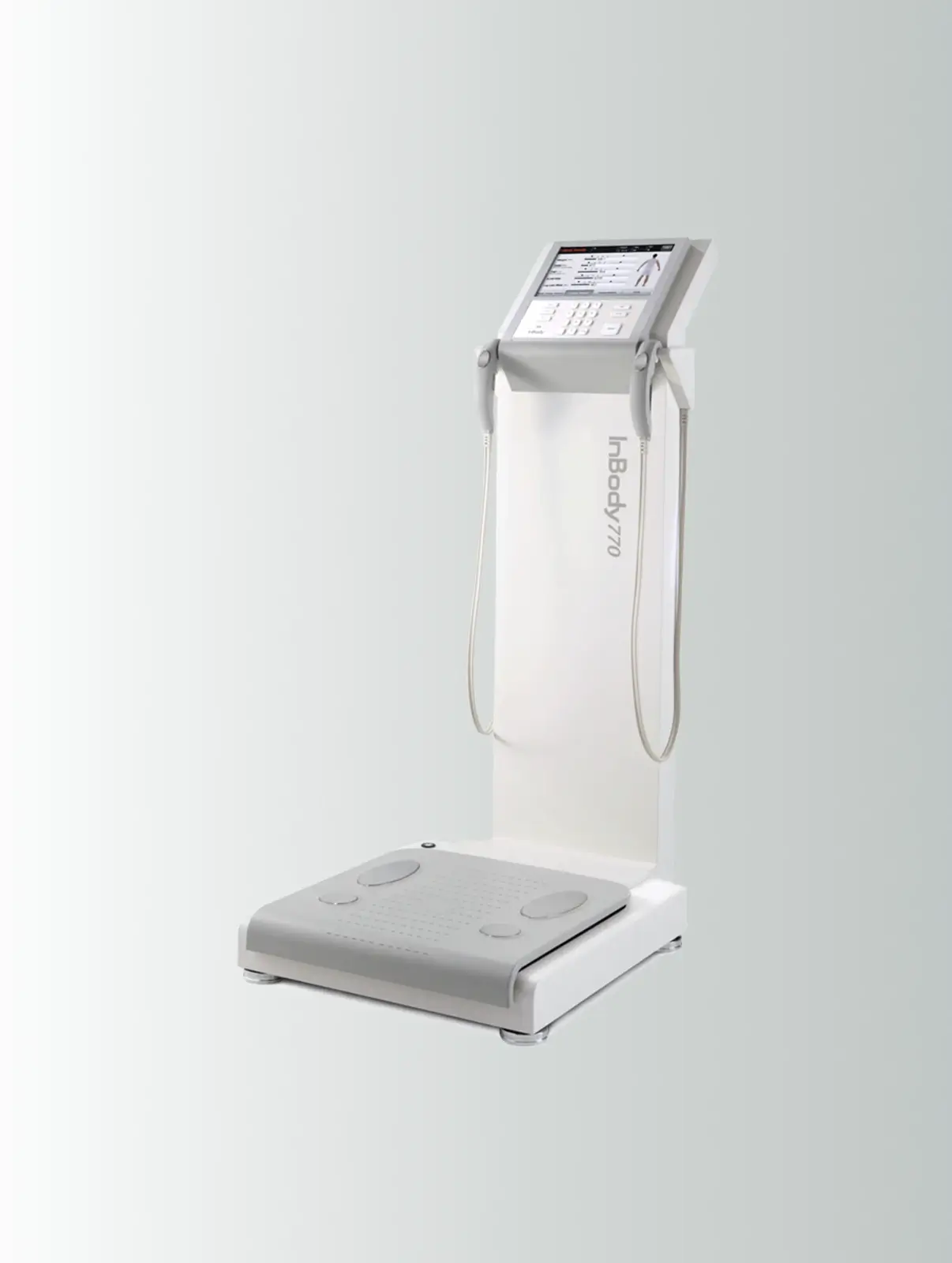
## InBody770S

](/product/inbody770s/)

Ultimate Body Composition Analyzer- [
](/product/inbody-580/)
[

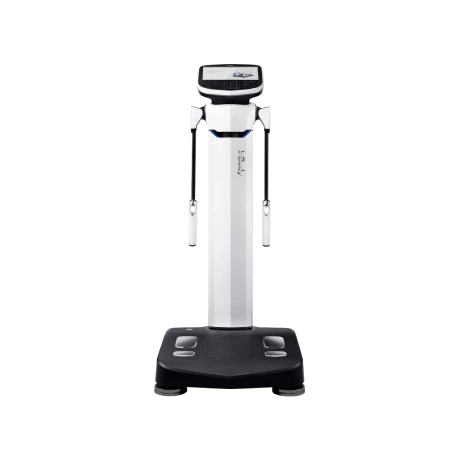
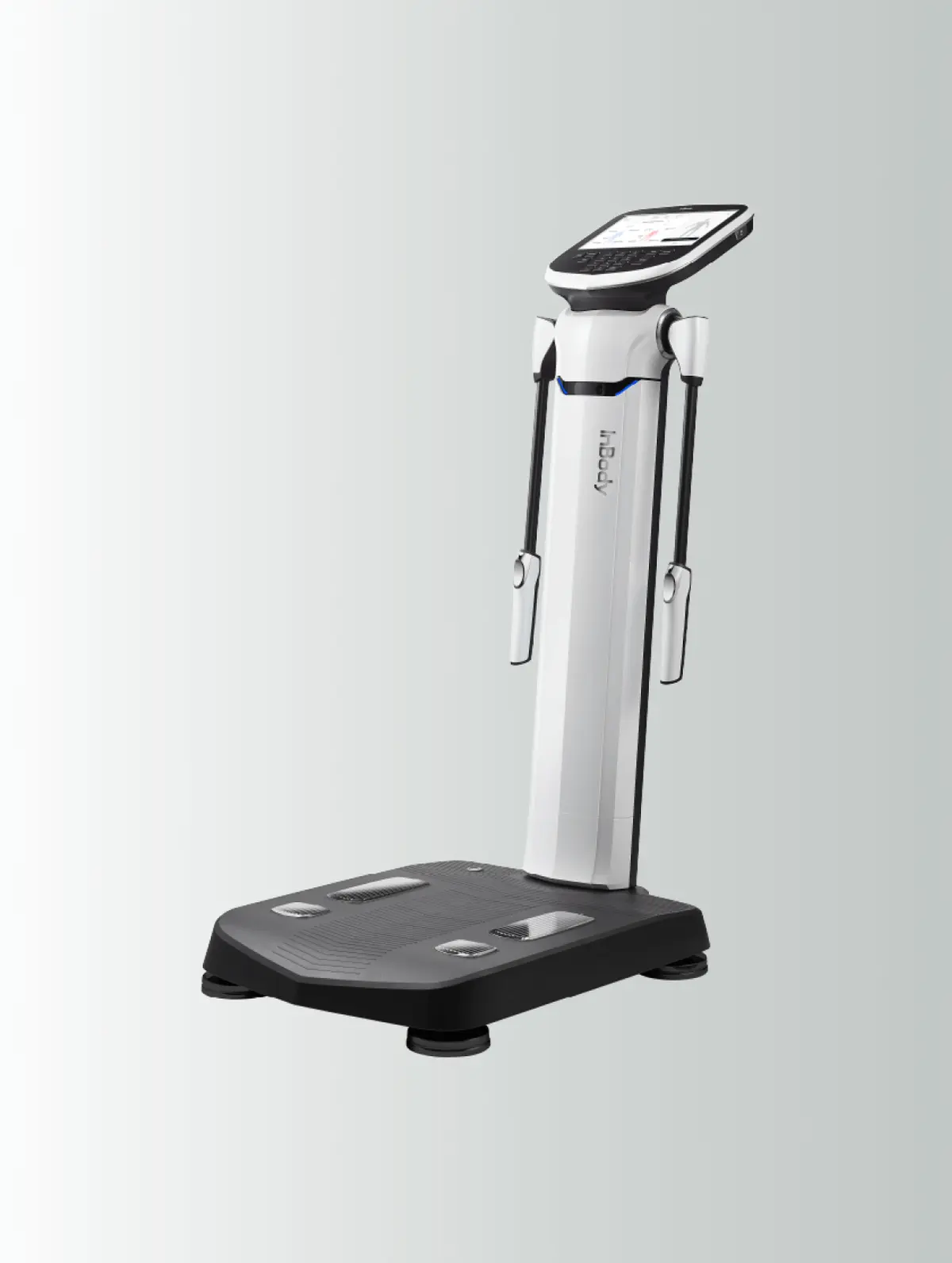
## InBody580

](/product/inbody-580/)

Comprehensive Body Composition Analyzer- [

](/product/inbody380/)
[

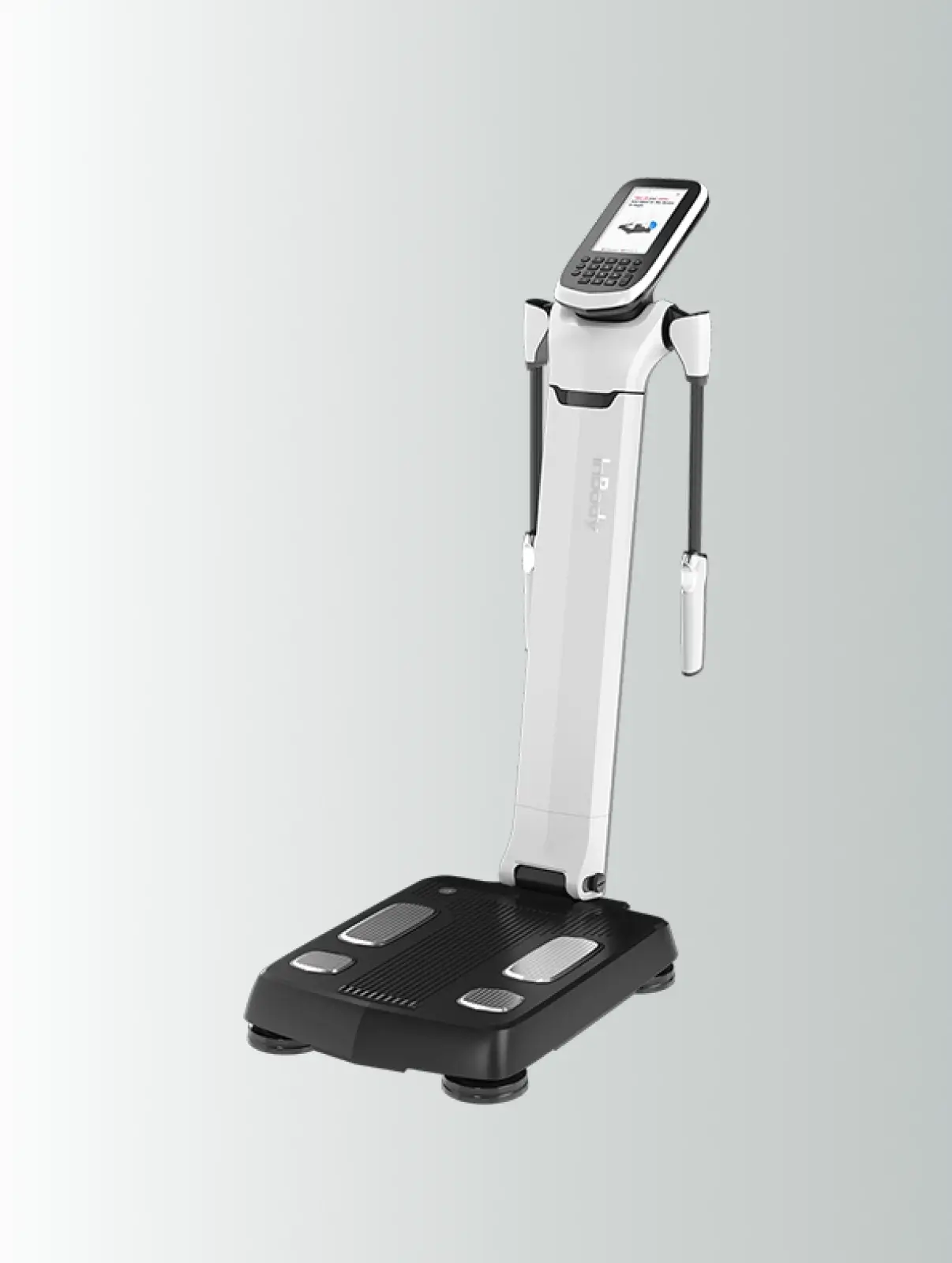
## InBody380

](/product/inbody380/)

Portable and Advanced Body Composition Analyzer- [
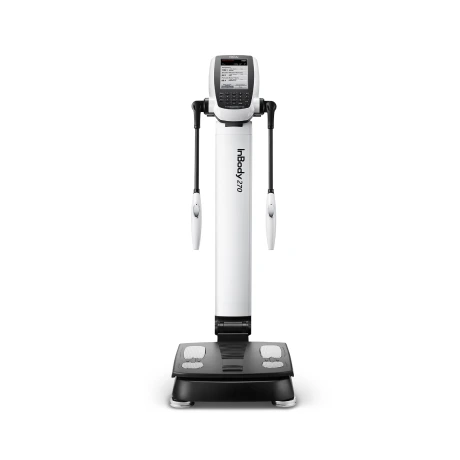
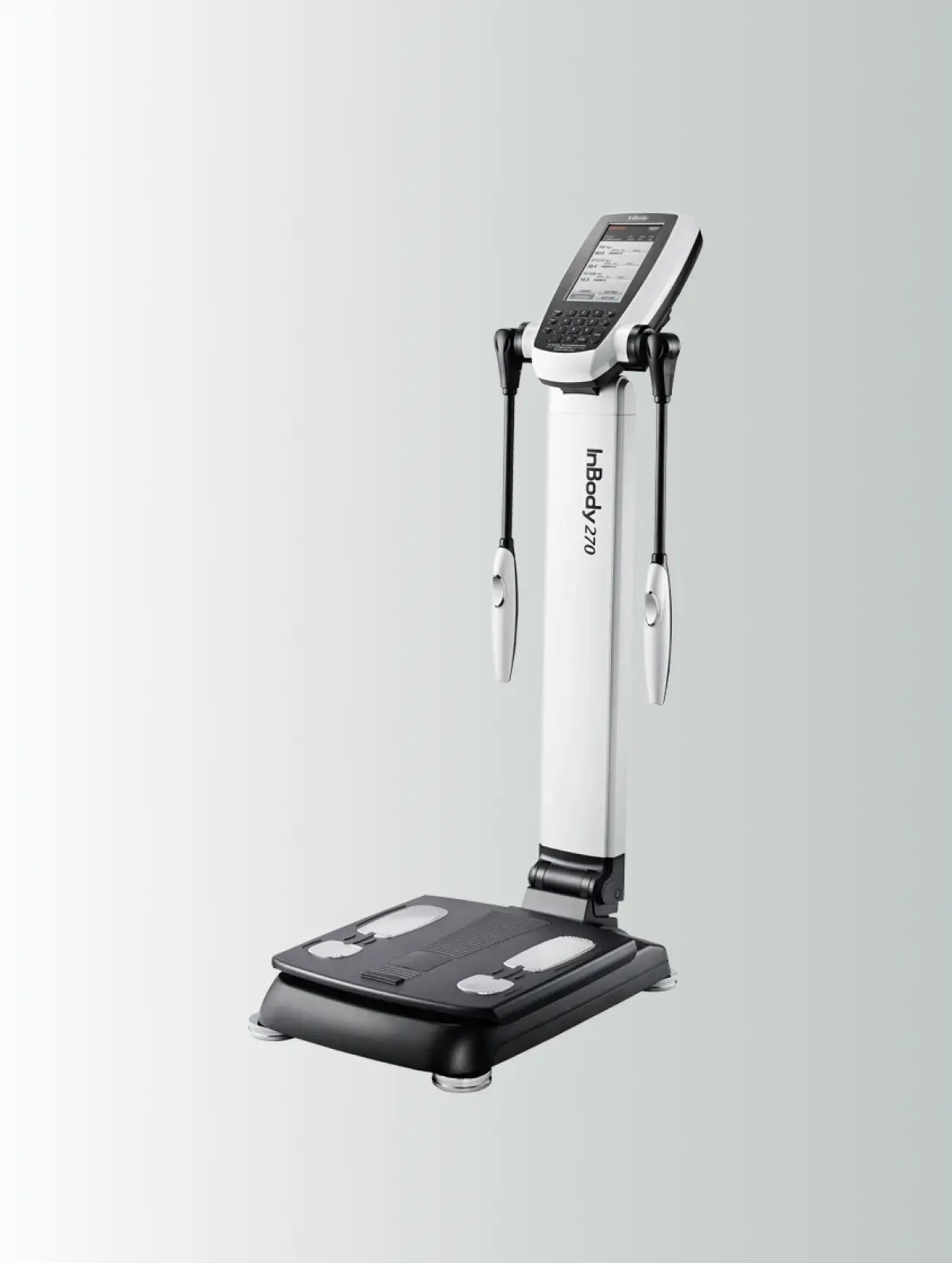
](/product/inbody270s/)
[

## InBody270S

](/product/inbody270s/)

Portable Body Composition Analzyer
Let’s get in Touch!
We’re excited to learn more about how InBody can help our business!