
Medical
Intensive Care Unit
Medical
Intensive Care Unit (ICU)
Assessing body composition is crucial in the ICU, as it offers insights into nutritional status and informs treatment plans, enhancing patient outcomes during recovery.
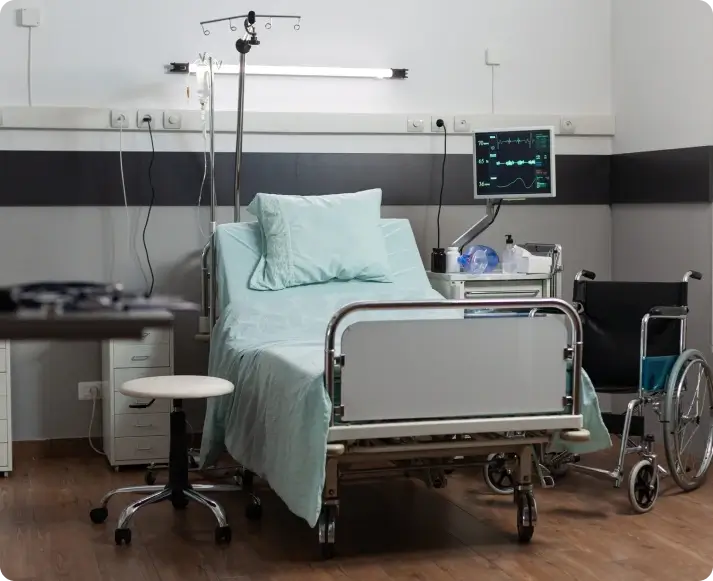
What is Intensive Care Unit (ICU)?
ICU stands for Intensive Care Unit, a specialized area in hospitals dedicated to providing critical care for patients facing severe or life-threatening conditions. It is equipped with advanced medical technology and staffed by a team of healthcare professionals who closely monitor patients and deliver intensive treatment to support recovery.
As suggested by ESPEN, Bioelectrical Impedance Analysis (BIA) is a useful clinical tool in ICU settings as it can assess the body composition such as muscle mass and fluid status in critically ill patients. Furthermore, Phase Angle measured by BIA is also useful in the nutrition assessment and prediction of the prognosis of critically ill patients.
The Role of Body Composition Analysis in Intensive Care Unit (ICU)

Assess Malnutirion Risk
Assessing malnutrition risk in the ICU can provide critical insights into patients’ nutritional status, helping to identify those at risk of malnutrition and guide tailored nutritional interventions.

Monitor Fluid Imbalances Related to Underlying Medical Conditions
Monitoring fluid imbalances is essential in the ICU, as they can indicate underlying medical conditions such as trauma or organ failure.

Assess Muscle Mass to Identify Muscle Loss and Cachexia
Assessing and monitoring muscle mass is crucial in the ICU, as low muscle mass can significantly increase the risk of complications during post-surgery, such as delayed wound healing and increased risk of infection.
How to Apply InBody in Intensive Care Unit (ICU)?
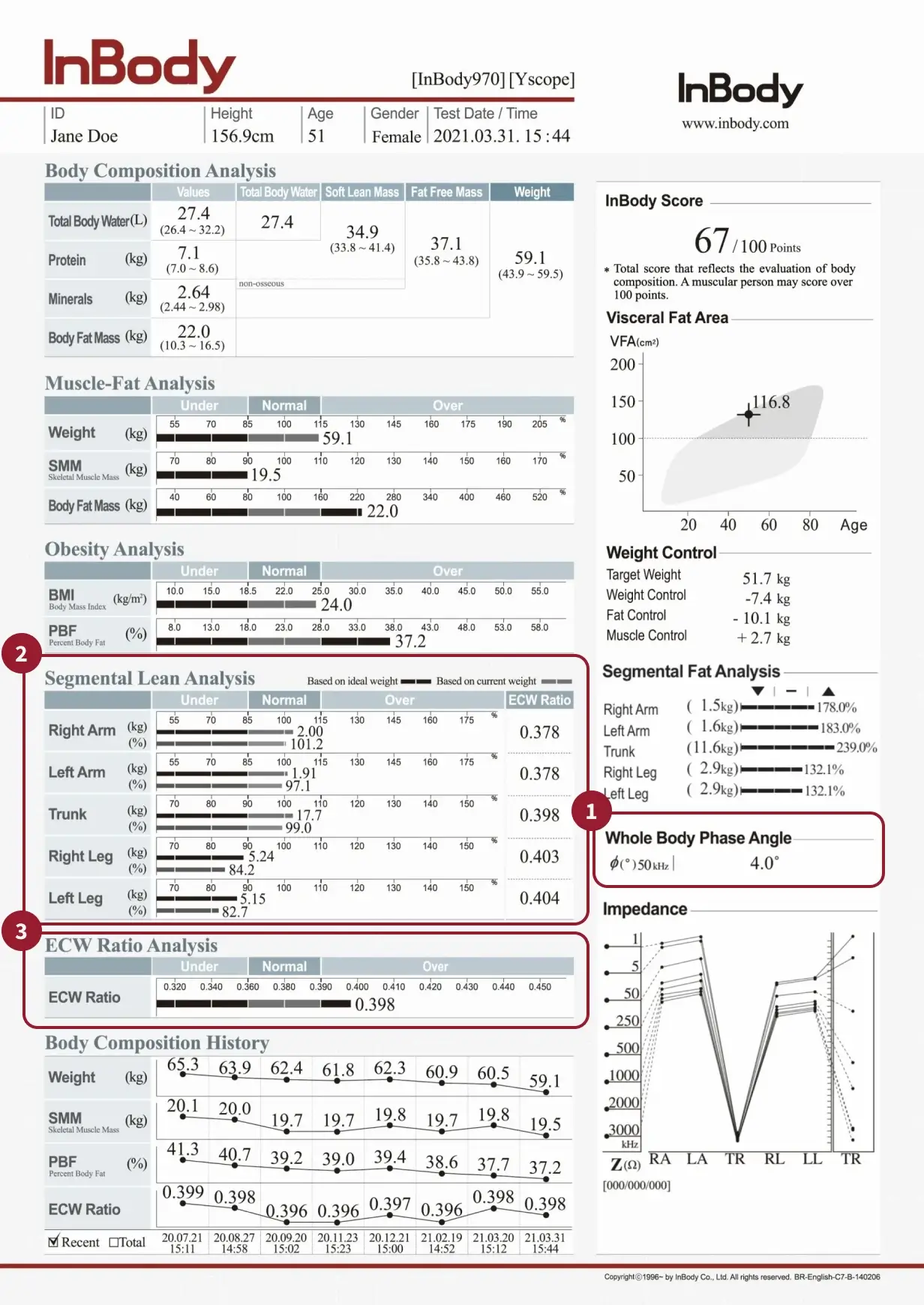
1
Evaluate Nutritional Status with Phase Angle
The European Society for Parenteral and Enteral Nutrition (ESPEN) acknowledges its prognostic value in patients requiring nutrition therapy where a lower Phase Angle has been linked to worsened outcomes in ICU patients, while a higher Phase Angle is associated with increased survival rates. Assessing Phase Angle helps critical care professionals identify malnourished patients and tailor dietary interventions to improve patient outcomes.
2
Monitor Segmental Lean Mass to Improve Recovery and Prognosis
Patients in critical care or bedridden conditions often experience significant muscle loss, negatively affecting long-term recovery. Maintaining lean mass is vital for improving ICU outcomes. Segmental Lean Analysis helps therapists and dietitians assess muscle mass and provide tailored interventions to prevent frailty and ICU-acquired weakness.
3
Monitor and Manage Fluid Overload using ECW Ratio
Patients often face complications during the postoperative period, including increased inflammation and infection risk, which can lead to fluid shifts. The ECW Ratio serves as a valuable tool in this process, helping to assess fluid status and guide treatment decisions.
Validated and used in
More than 6,000 research studies
Discover more about the utilization of InBody for critically ill patients.
Request InBody Studies Compilations Related to Intensive Care Unit (ICU)
Popular Devices for Intensive Care Unit (ICU)
- [
](/product/inbody970s/)
[

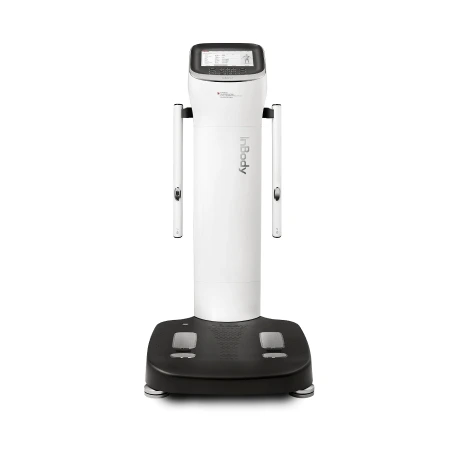
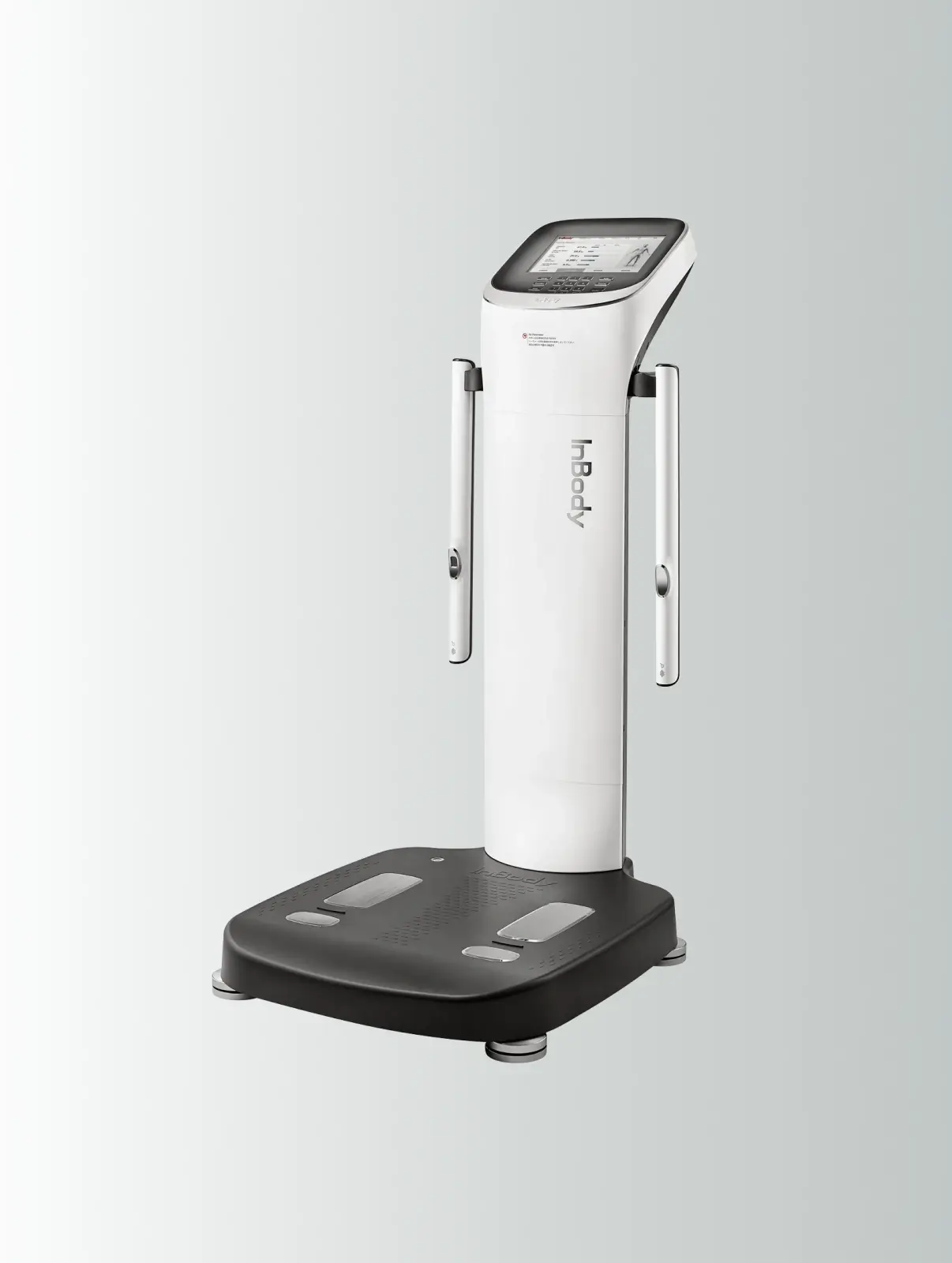
## InBody970S

](/product/inbody970s/)

Innovative and research-grade Body Composition Analyzer- [
](/product/inbody770s/)
[

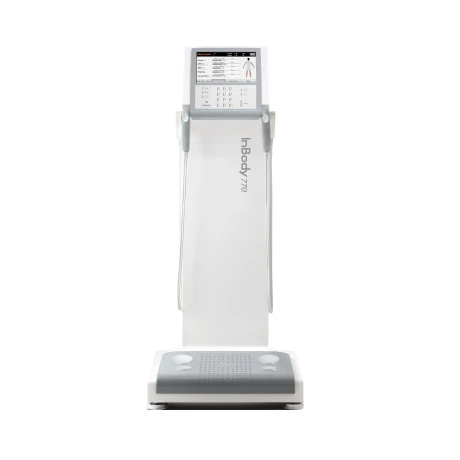
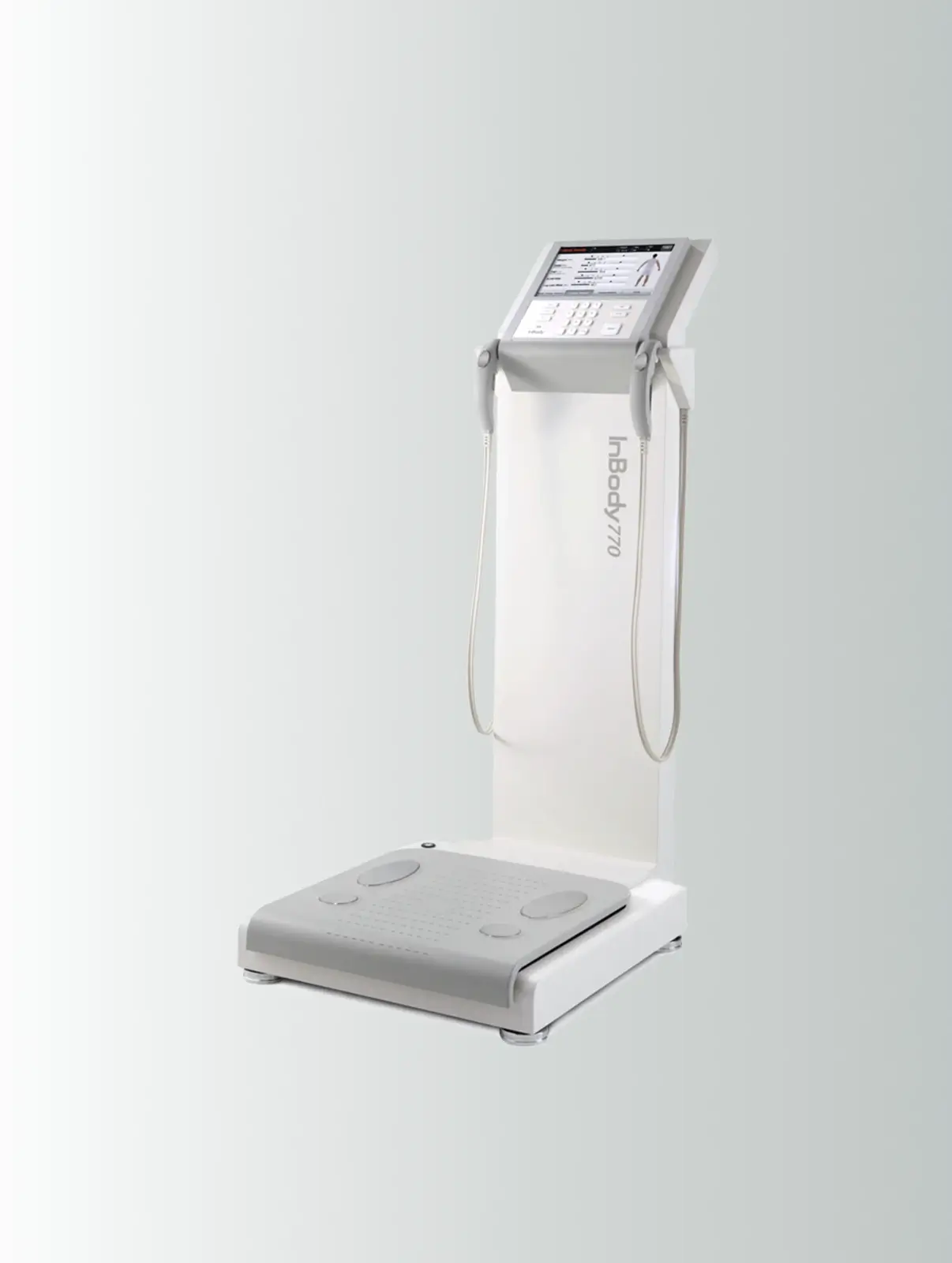
## InBody770S

](/product/inbody770s/)

Ultimate Body Composition Analyzer- [
](/product/inbody-580/)
[

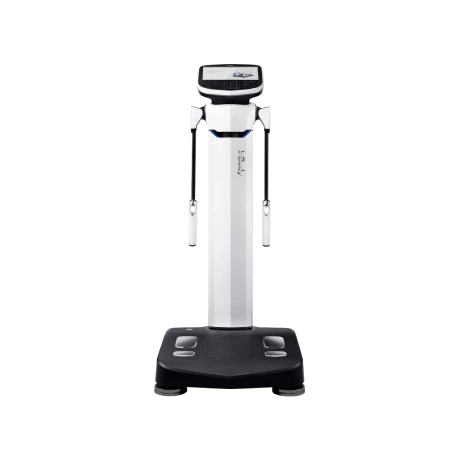
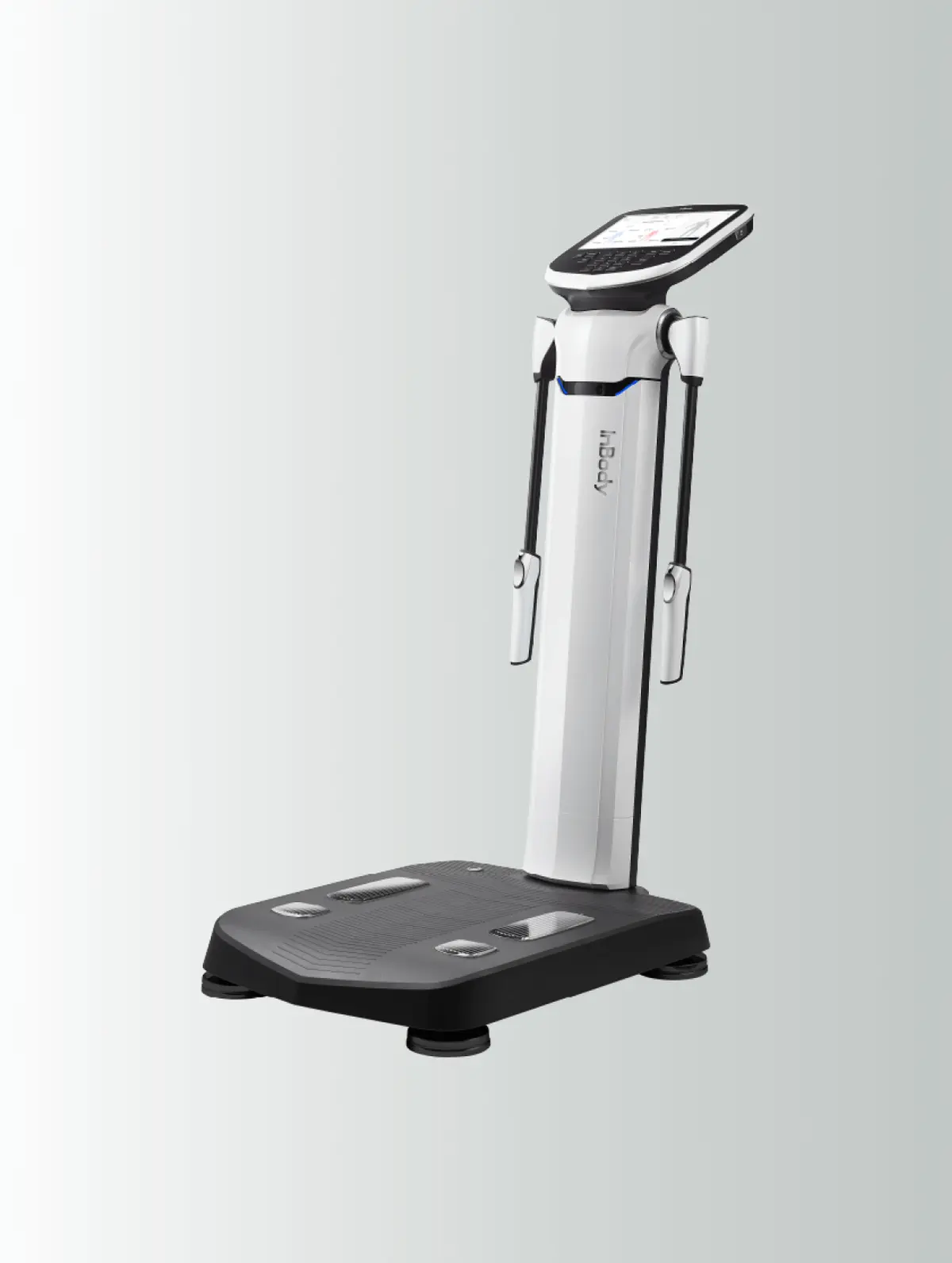
## InBody580

](/product/inbody-580/)

Comprehensive Body Composition Analyzer- [
](/product/bwa2-0s/)
[

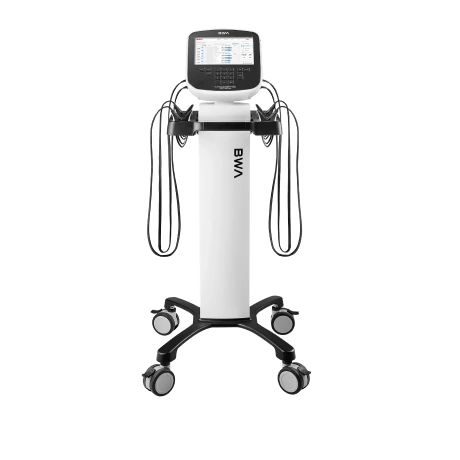
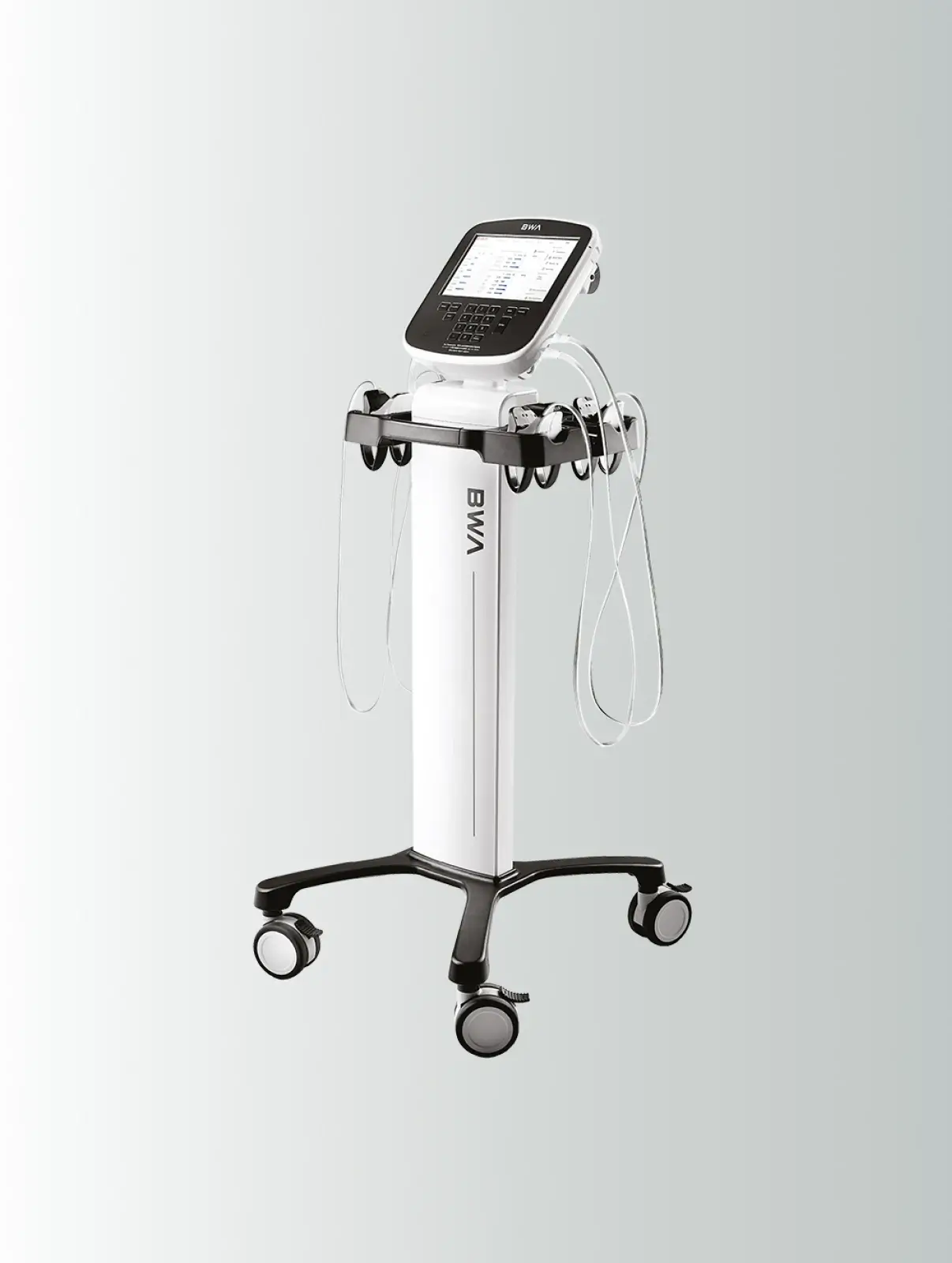
## BWA2.0S

](/product/bwa2-0s/)

Professional Body Water Analyzer- [
](/product/inbody-s10/)
[

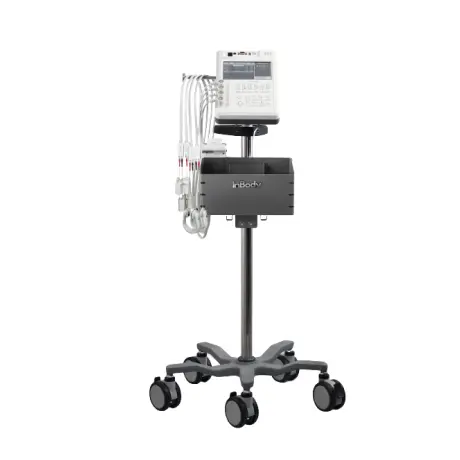
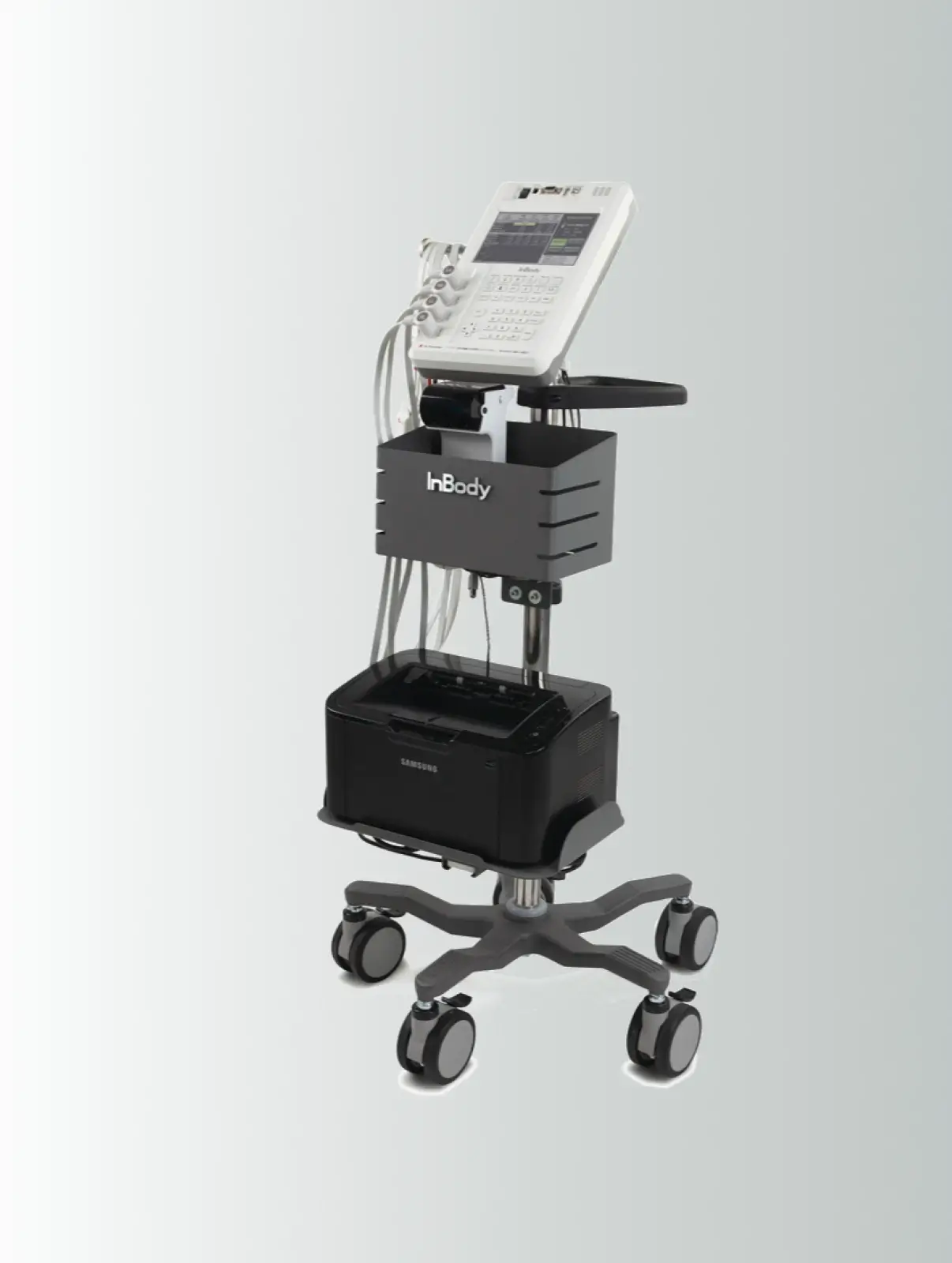
## InBody S10

](/product/inbody-s10/)

Medical Grade Body Water Analyzer
Let’s get in Touch!
We’re excited to learn more about how InBody can help our business!