
Medical
Geriatrics
Medical
Geriatrics
Assessing body composition is essential for geriatrics as it helps to identify changes such as loss of muscle mass and increased fat that can significantly impact mobility, strength, and overall well-being of the elderly.

What is Geriatrics?
Geriatrics is a specialized field of medicine that focuses on the health care of older adults, addressing their unique medical, social, and psychological needs. As individuals age, they often face complex health issues, including chronic diseases, cognitive decline, and changes in mobility.
Using body composition data in geriatrics is crucial because it provides insights into the physical health status of older adults. Monitoring changes in body composition, such as muscle mass and fat distribution, can help identify risks for conditions like frailty, sarcopenia and malnutrition. This information allows healthcare providers to develop targeted interventions to improve the quality of life for older individuals.
The Role of Body Composition Analysis in Geriatrics

Identify Risk of Falls and Fractures
Pinpoint areas of muscle weakness, especially in the legs, that elevate the risk of falls and fractures.

Assess Muscle-Fat Balance and Visceral Fat
Obtain objective measurements of muscle, fat, and visceral fat to assess underlying health risks associated with aging.

Track Fluid Imbalances Related to Muscle Loss or Malnutrition
Monitoring fluid imbalances is essential in geriatrics, as they can indicate underlying issues such as muscle loss or malnutrition.
How to Apply InBody in Geriatrics?
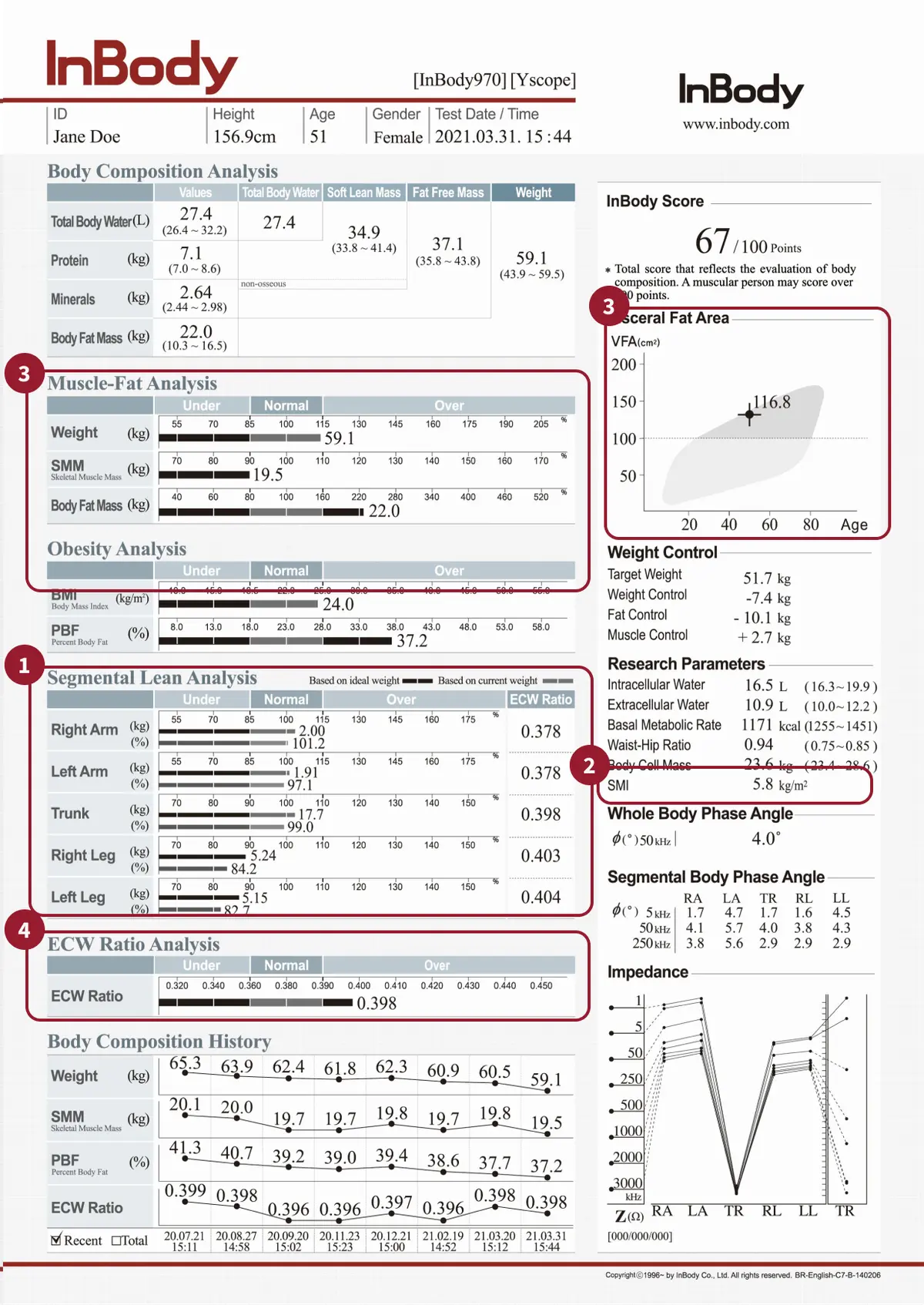
1
Assess Functional Mobility and Fall Risk using Segmental Lean Analysis
In elderly individuals, the natural loss of muscle mass, particularly in the legs, can limit functional capacity and reduce quality of life. Segmental Lean Analysis evaluates lean mass in each body segment, helping geriatricians identify areas of weakness and develop targeted interventions.
2
Assess Sarcopenia Risk using SMI
The Skeletal Muscle Mass Index (SMI) screens for sarcopenia risk, allowing geriatricians to identify at-risk patients and create interventions to preserve muscle health.
3
Assess Body Fat Mass and Visceral Fat to Evaluate Aging-Related Health Risks
InBody measures both Body Fat Mass and Visceral Fat Area, providing crucial insights into health risks commonly associated with aging, such as cardiovascular disease, diabetes, and metabolic syndrome.
4
Detect Fluid Imbalances Related to Muscle Loss or Malnutrition using ECW Ratio
ECW Ratio helps detect fluid imbalances resulting from muscle loss or malnutrition. Analyzing this ratio helps geriatricians to identify potential health risks early and implement interventions that focus on improving muscle health and nutritional status.
Validated and used in
More than 6,000 research studies
Discover more about the utilization of InBody in geriatrics.
Request InBody Studies Compilations Related to Geriatrics
Popular Devices for Geriatrics
- [
](/product/inbody970s/)
[

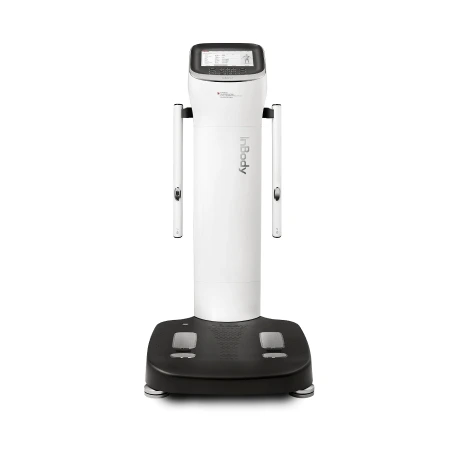
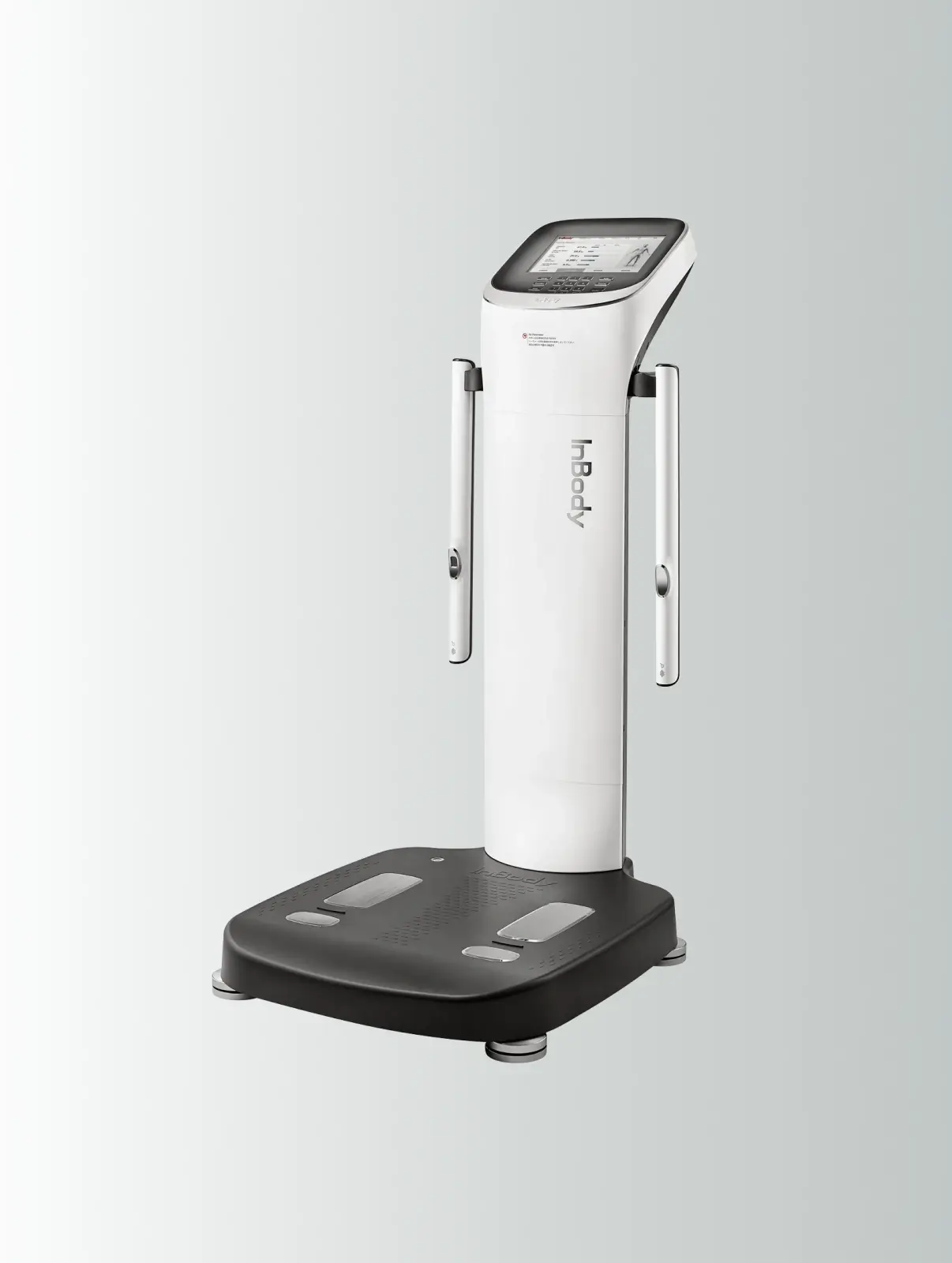
## InBody970S

](/product/inbody970s/)

Innovative and research-grade Body Composition Analyzer- [
](/product/inbody770s/)
[

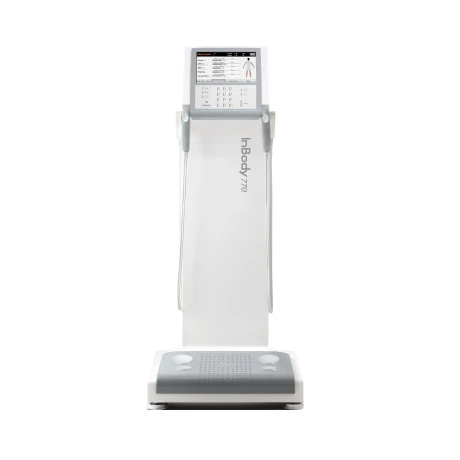
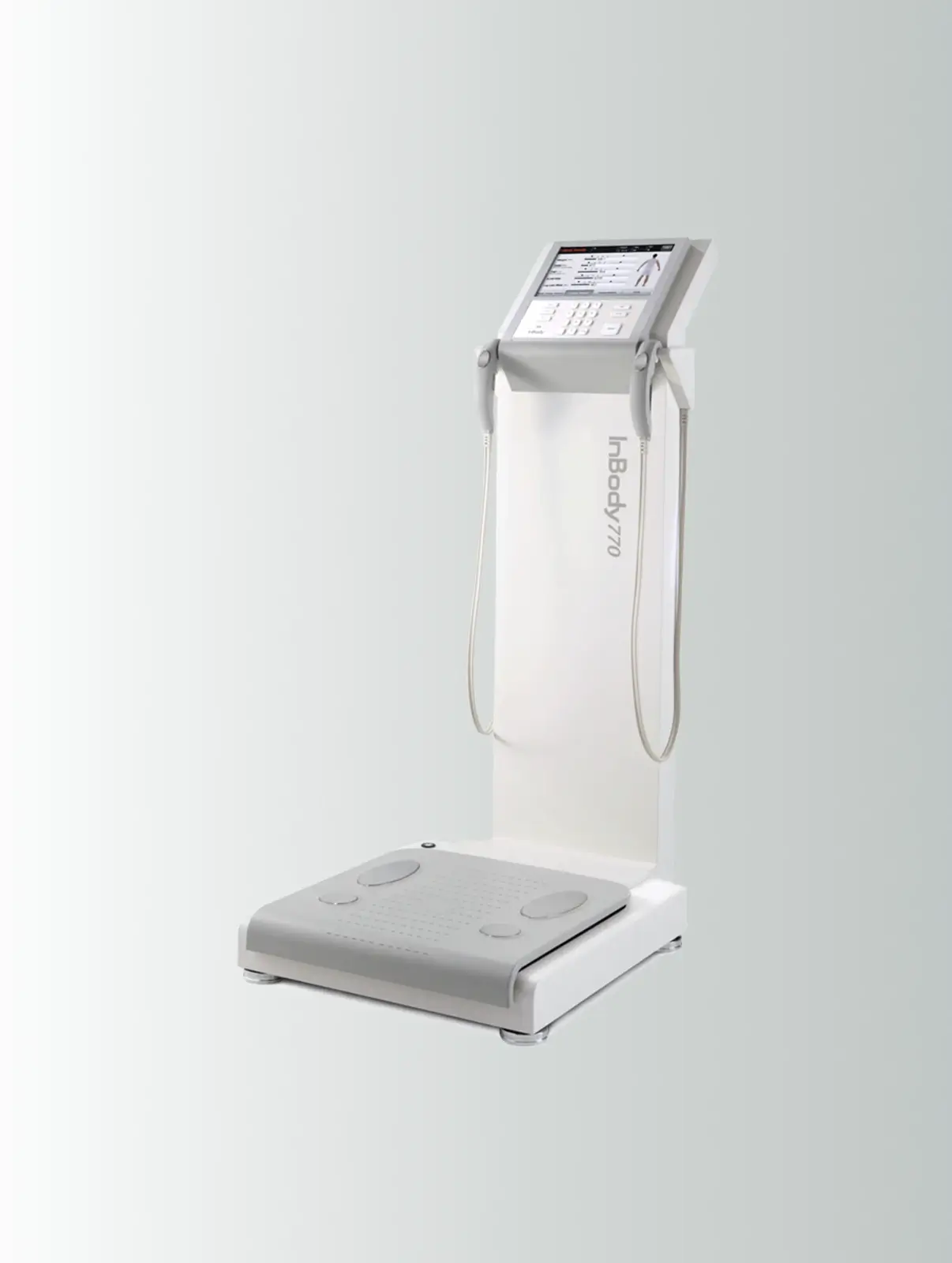
## InBody770S

](/product/inbody770s/)

Ultimate Body Composition Analyzer- [
](/product/inbody-580/)
[

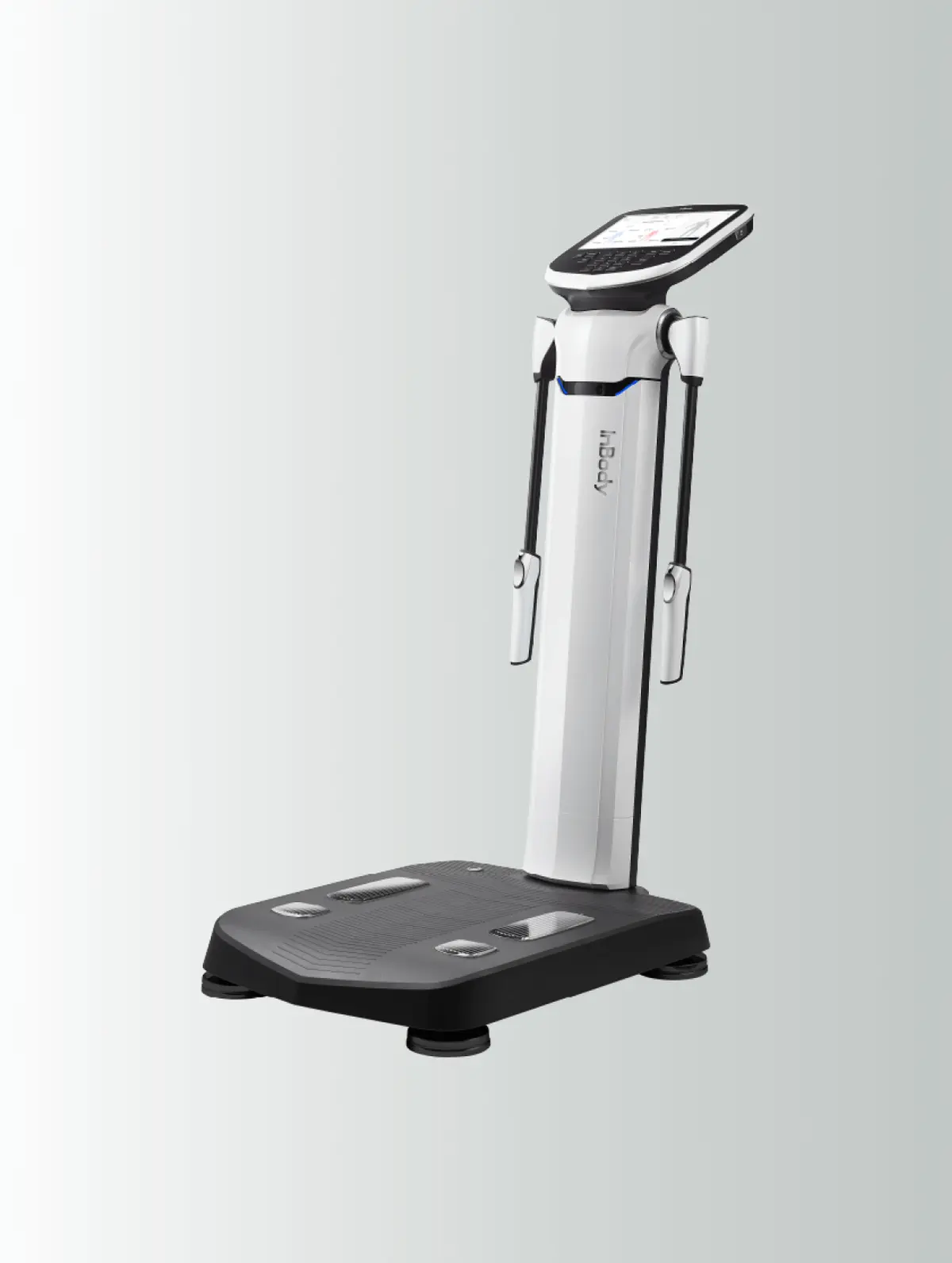
## InBody580

](/product/inbody-580/)

Comprehensive Body Composition Analyzer- [
](/product/bwa2-0s/)
[

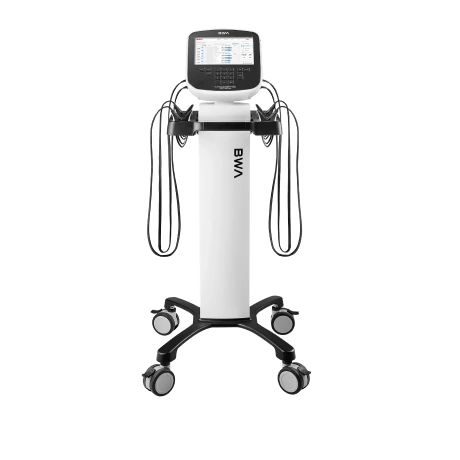
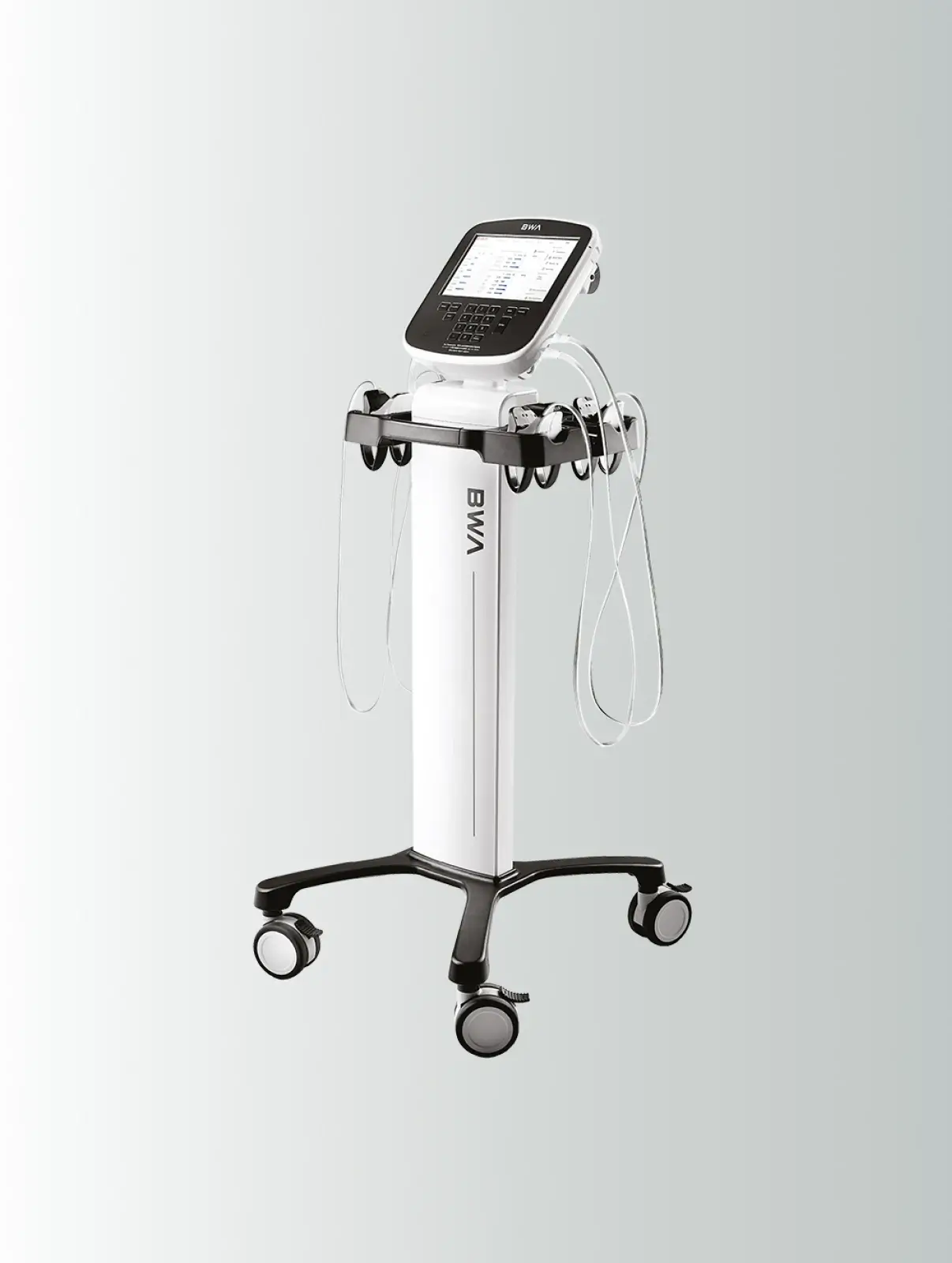
## BWA2.0S

](/product/bwa2-0s/)

Professional Body Water Analyzer- [
](/product/inbody-s10/)
[

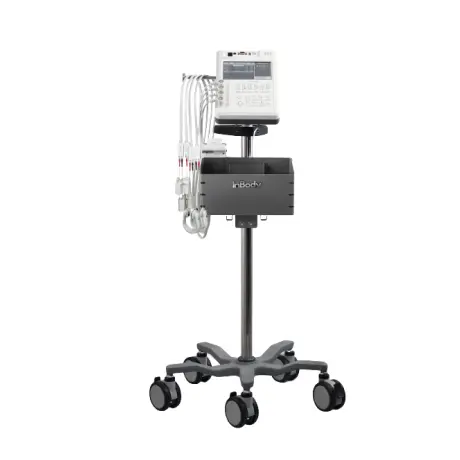
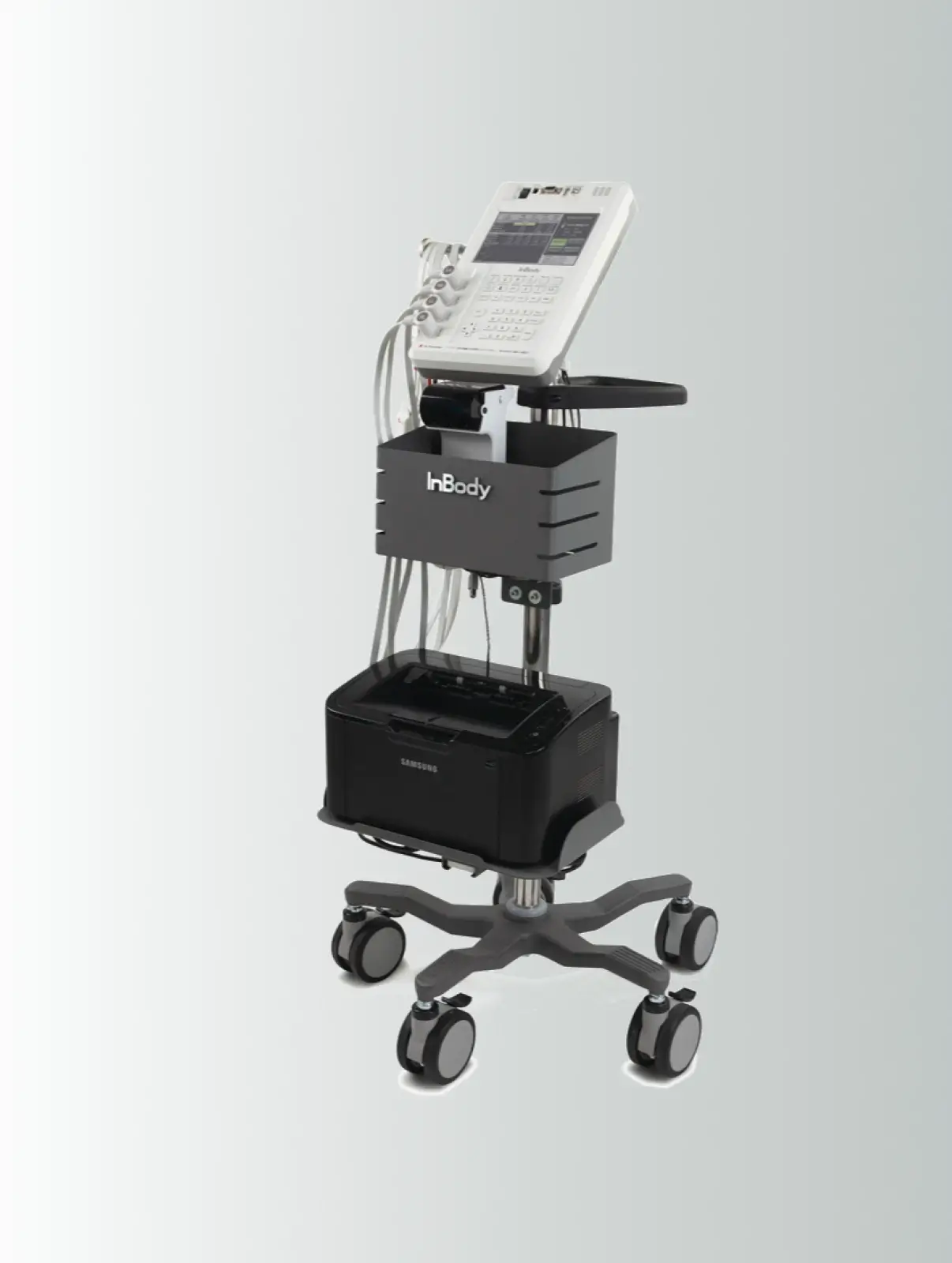
## InBody S10

](/product/inbody-s10/)

Medical Grade Body Water Analyzer
Let’s get in Touch!
We’re excited to learn more about how InBody can help our business!