
Medical
Dietetics
Medical
Dietetic
Assessing body composition is essential for understanding a patient’s nutritional status and optimizing dietary interventions, which are key to the success of a diet program.

What is Dietetic?
Dietetics is a field of health science that focuses on prescribing medical nutrition therapy and dietary consultations to treat various medical conditions. Dietitians develop customized meal plans for patients with chronic conditions, such as diabetes, high cholesterol, and obesity, in hospitals and medical centres. This personalized approach helps patients manage their condition more effectively and supports overall health.
The Role of Body Composition Analysis in Dietetic

Identify Risk of Diseases
By screening with Visceral Fat Area, ECW Ratio and Skeletal Muscle Mass Index (SMI), dietitians can identify underlying health risks and manage them before they escalate.

Design Personalized Meal Plan
InBody provides detailed insights into a client’s Body Fat Mass, Skeletal Muscle Mass and Basal Metabolic Rate, allowing dietitians to create personalized meal plans tailored to individual nutritional needs and health goals.

Evaluate the Patient’s Nutritional Status
The Phase Angle serves as an indicator of cellular health and nutritional status. By incorporating this metric, dietitians can monitor and evaluate the effectiveness of dietary interventions.
How to Apply InBody in Dietetic?
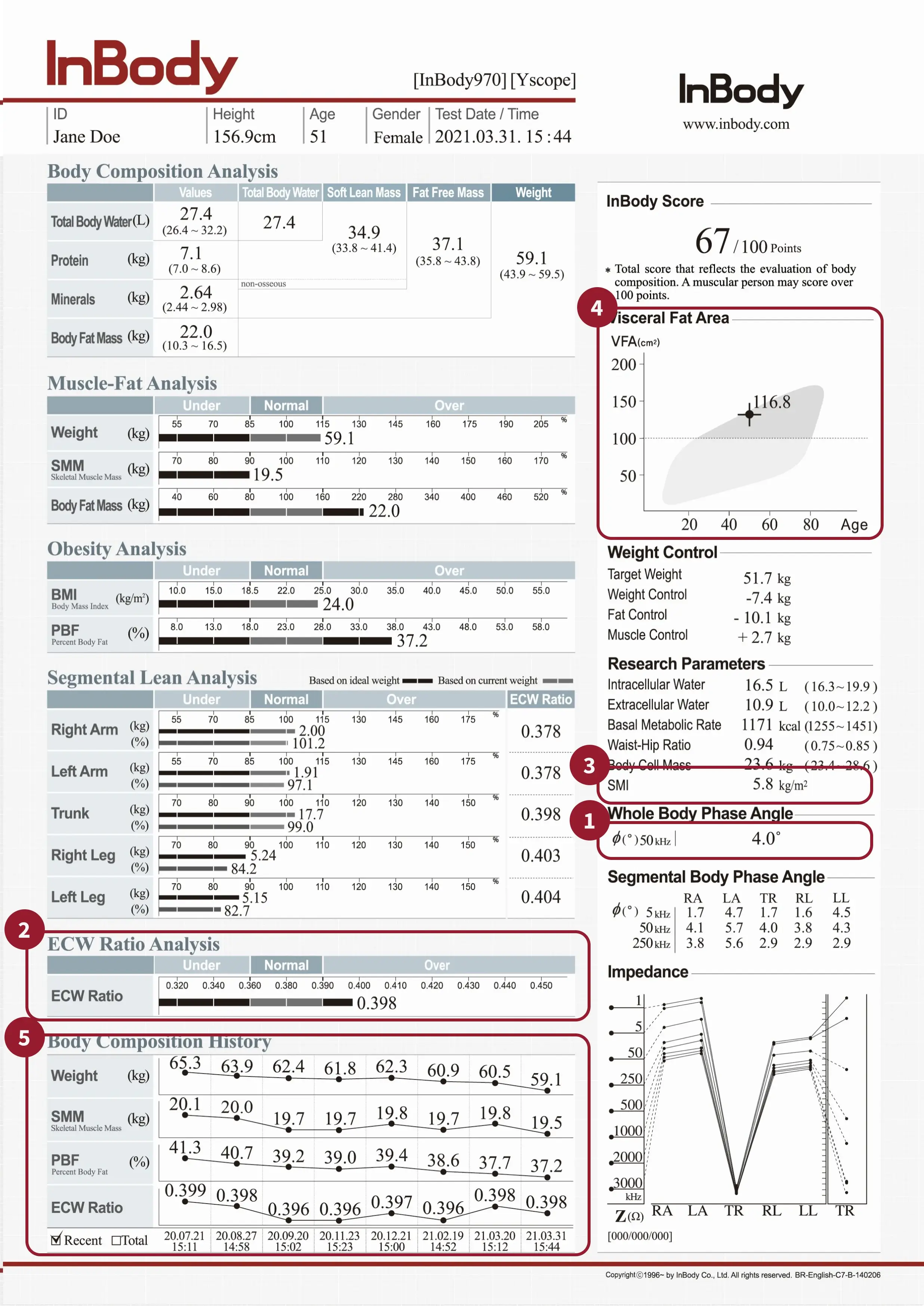
1
Evaluate Patient’s Nutritional Status with Phase Angle
Phase Angle serves as an indicator of cellular health and nutritional status. By assessing Phase Angle, dietitians can identify malnutrition risks in patients and tailor dietary interventions to improve nutritional status.
2
Detect Edema Arising from Underlying Chronic Diseases using ECW Ratio
ECW Ratio identifies excess fluid retention linked to chronic conditions like heart failure, kidney disease, and obesity. Analyzing this ratio helps dietitians recognize fluid imbalances and make informed dietary recommendations for effective management.
3
Assess Sarcopenia Risk using SMI
The Skeletal Muscle Mass Index (SMI) screens for sarcopenia risk, allowing dietitians to identify at-risk patients and create interventions to preserve muscle health.
4
Assess Visceral Fat Area
Visceral fat increases the risk of diabetes and cardiovascular diseases. By measuring the Visceral Fat Area, dietitians can detect these risks early and implement targeted dietary strategies to manage potential health issues.
5
Track Body Composition Changes Over Time
Regular monitoring of patients’ body composition allows dietitians to track changes over time, providing valuable insights into the effectiveness of dietary interventions and overall health progress.
Validated and used in
More than 6,000 research studies
Discover more about the utilization of InBody in Dietetic.
Request InBody Studies Compilations Related to Dietetic
Popular Devices for Dietetic
- [
](/product/inbody970s/)
[

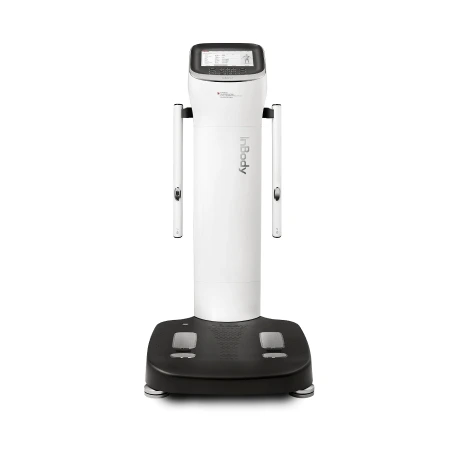
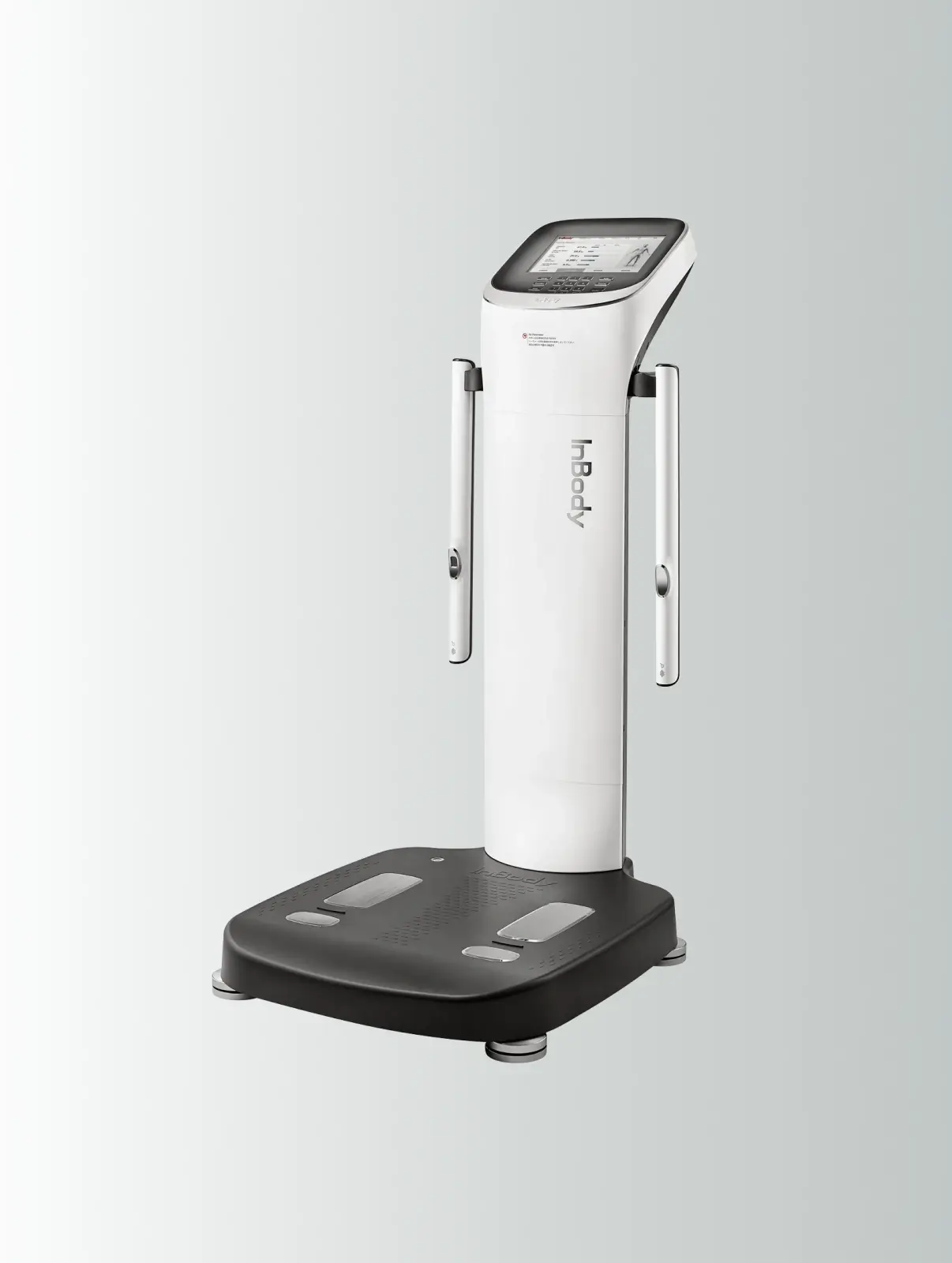
## InBody970S

](/product/inbody970s/)

Innovative and research-grade Body Composition Analyzer- [
](/product/inbody770s/)
[

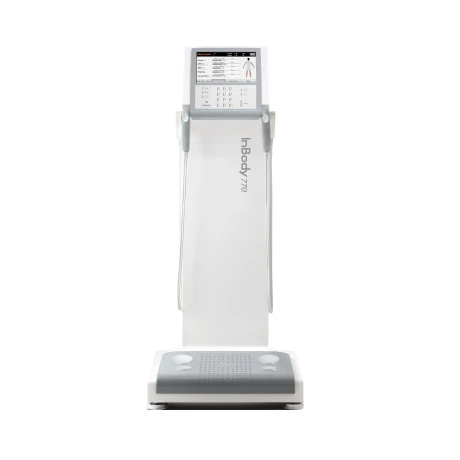
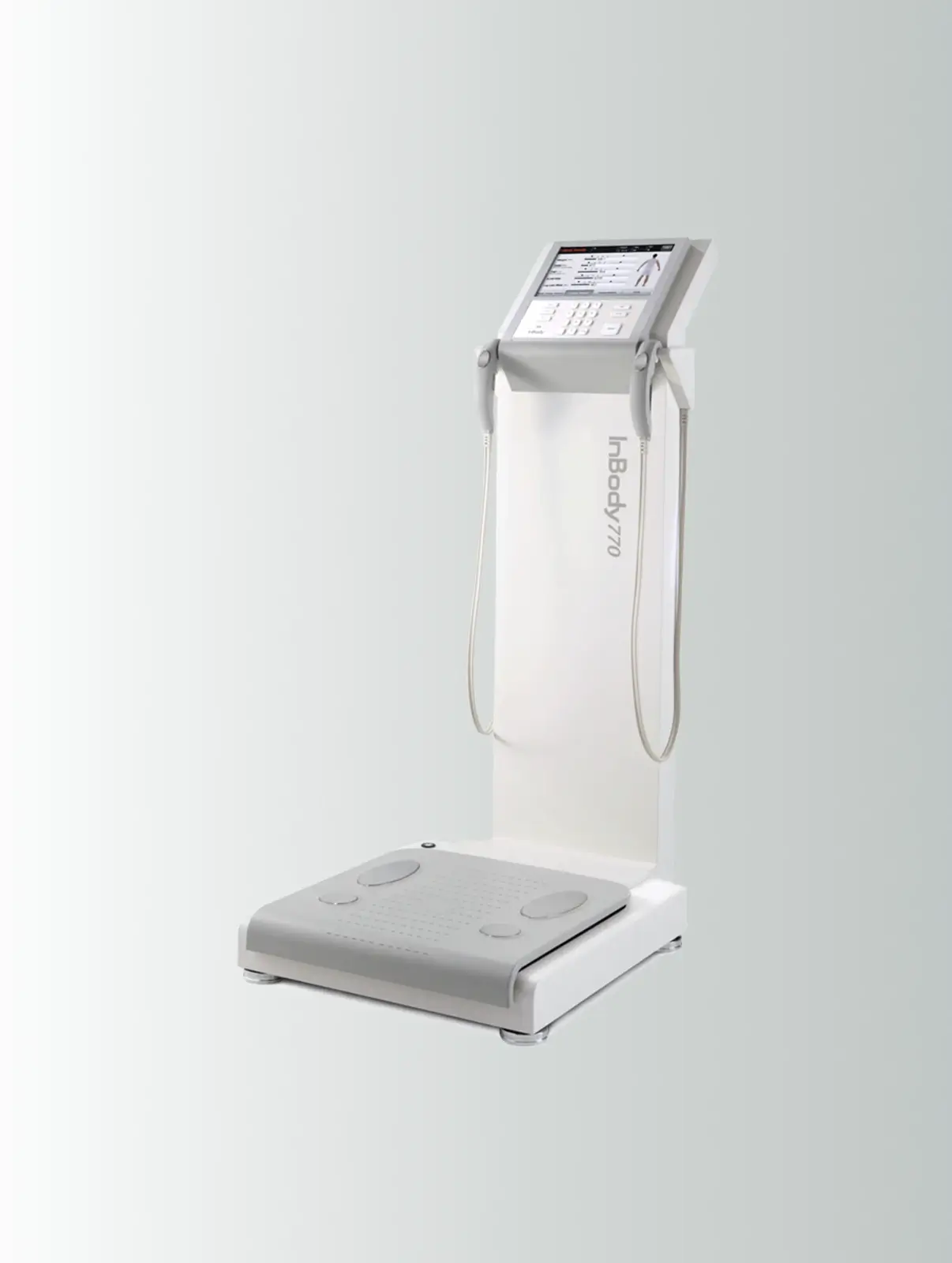
## InBody770S

](/product/inbody770s/)

Ultimate Body Composition Analyzer- [
](/product/inbody-580/)
[

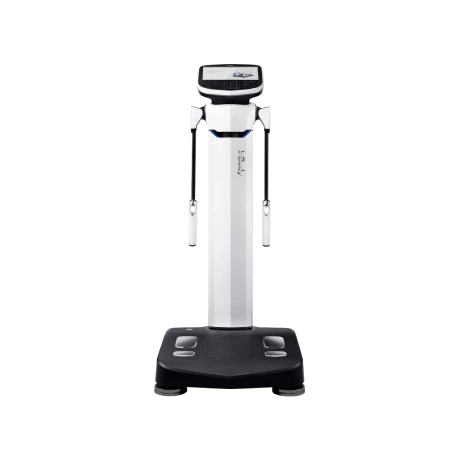
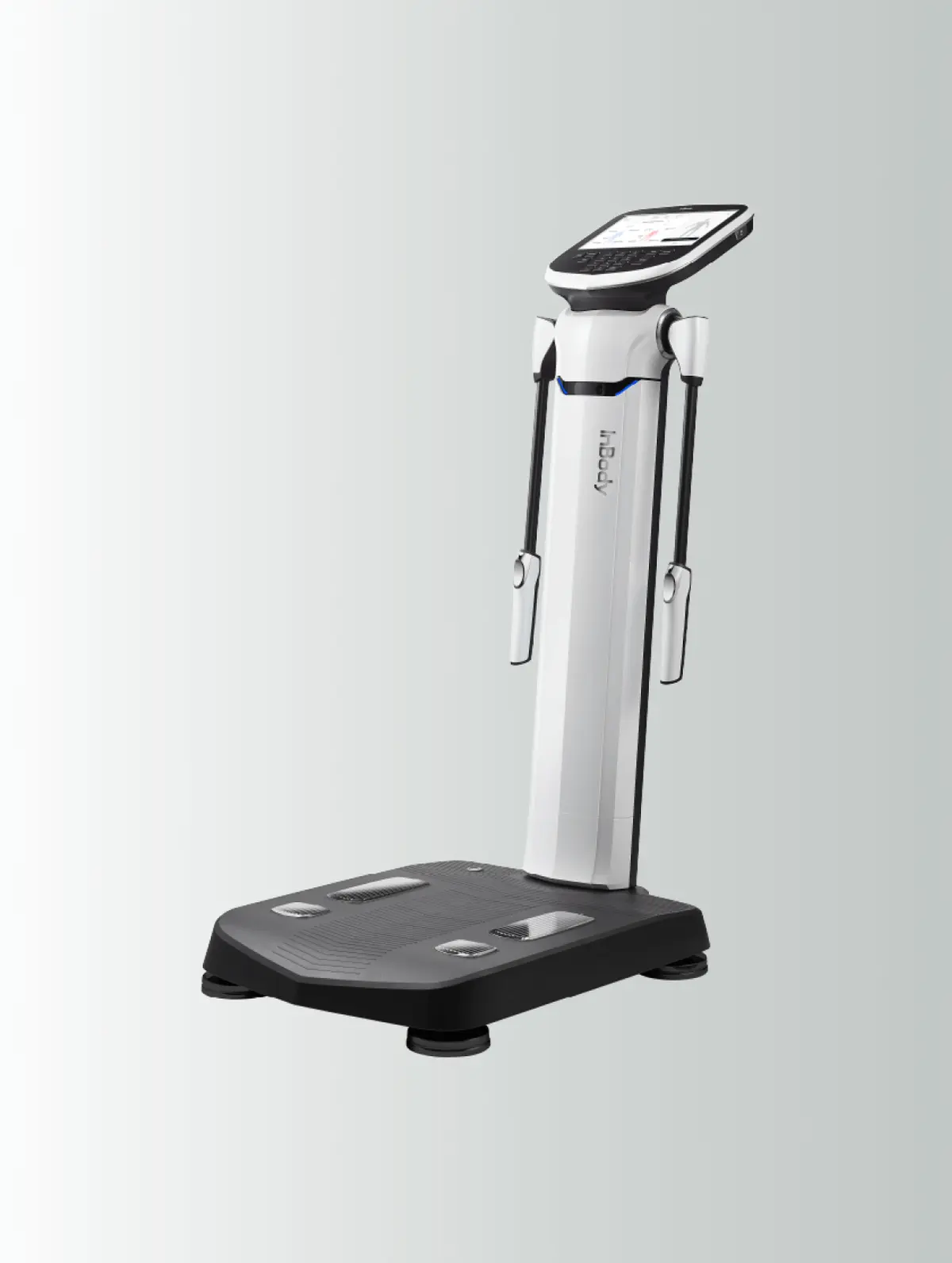
## InBody580

](/product/inbody-580/)

Comprehensive Body Composition Analyzer- [
](/product/bwa2-0s/)
[

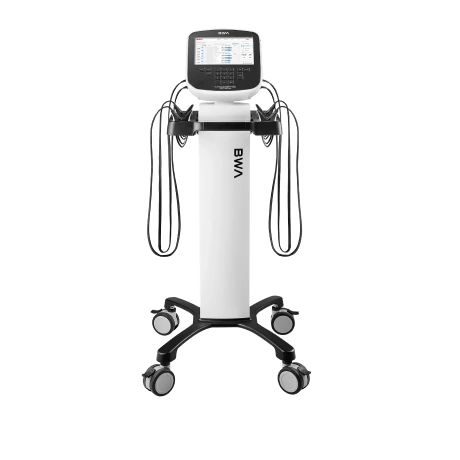
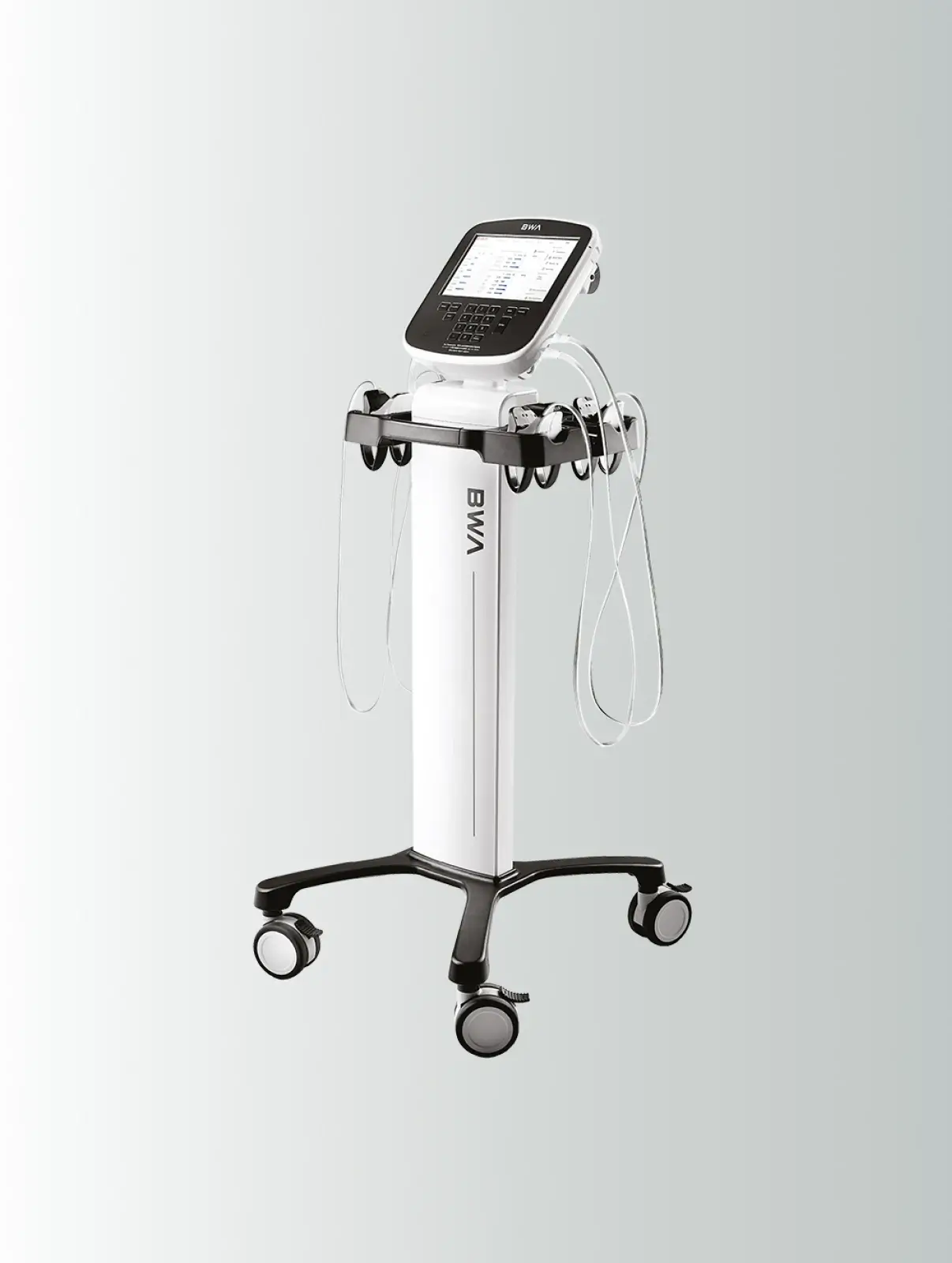
## BWA2.0S

](/product/bwa2-0s/)

Professional Body Water Analyzer- [
](/product/inbody-s10/)
[

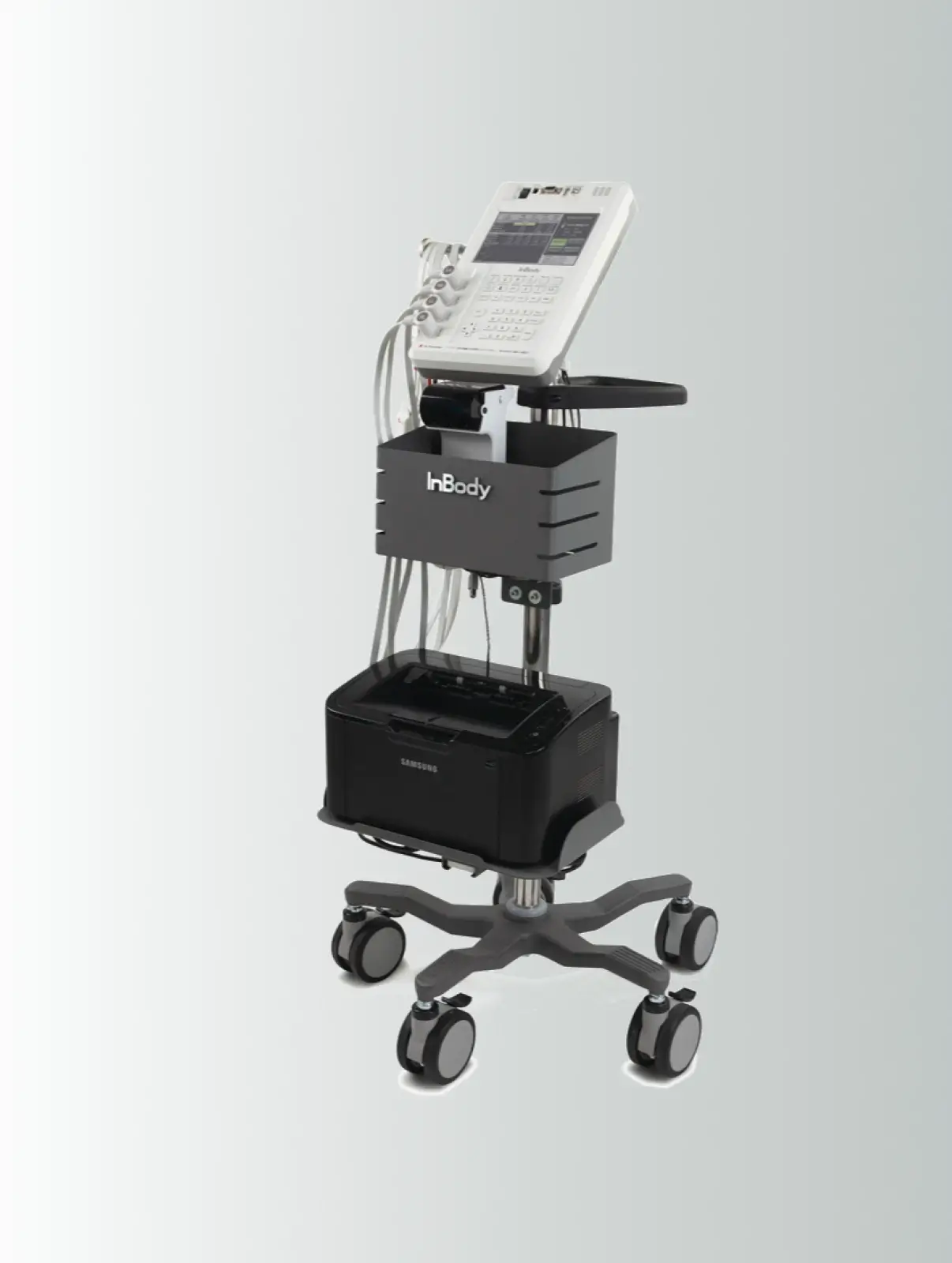
## InBody S10

](/product/inbody-s10/)

Medical Grade Body Water Analyzer
Let’s get in Touch!
We’re excited to learn more about how InBody can help our business!