
Medical
Diabetes
Medical
Diabetes
Develop more effective diabetes treatment and prevention strategies by understanding body composition and its impact on diabetes progression.
What is Diabetes?
Diabetes is a chronic condition where the body struggles to regulate blood sugar levels, either due to insufficient insulin production or the body’s inability to use insulin effectively.
There are 2 main types of diabetes:
Type 1 Diabetes
The body’s immune system attacks and destroys the cells that produce insulin.
Type 2 Diabetes
The body doesn’t produce enough insulin, or the body’s cells don’t react to insulin effectively.
According to NHMS 2023, 15.6% of Malaysian adults have diabetes, with many unaware of their condition. Alarmingly, 84% of young adults aged 18-29 with diabetes don’t know they have it. This highlights the need for healthcare professionals to understand body composition, as high visceral fat and low muscle mass are linked to the increased risks of Type 2 diabetes. Therefore, by assessing body composition, healthcare professionals can better manage and potentially reduce diabetic risks.
The Role of Body Composition Analysis in Diabetes Care

Assess Diabetes Risk
Obtain objective measurements of muscle, fat, and visceral fat to gain crucial insights into diabetes risk.

Detect and Monitor Fluid Imbalances
Identify fluid imbalances caused by inflammation, which can be critical in managing diabetes and its related complications.

Monitor Intervention Outcomes
Monitor body composition changes to track the effectiveness of diabetes programs aimed at improving glycemic control and preventing complications.
How to Apply InBody for Diabetes Care?
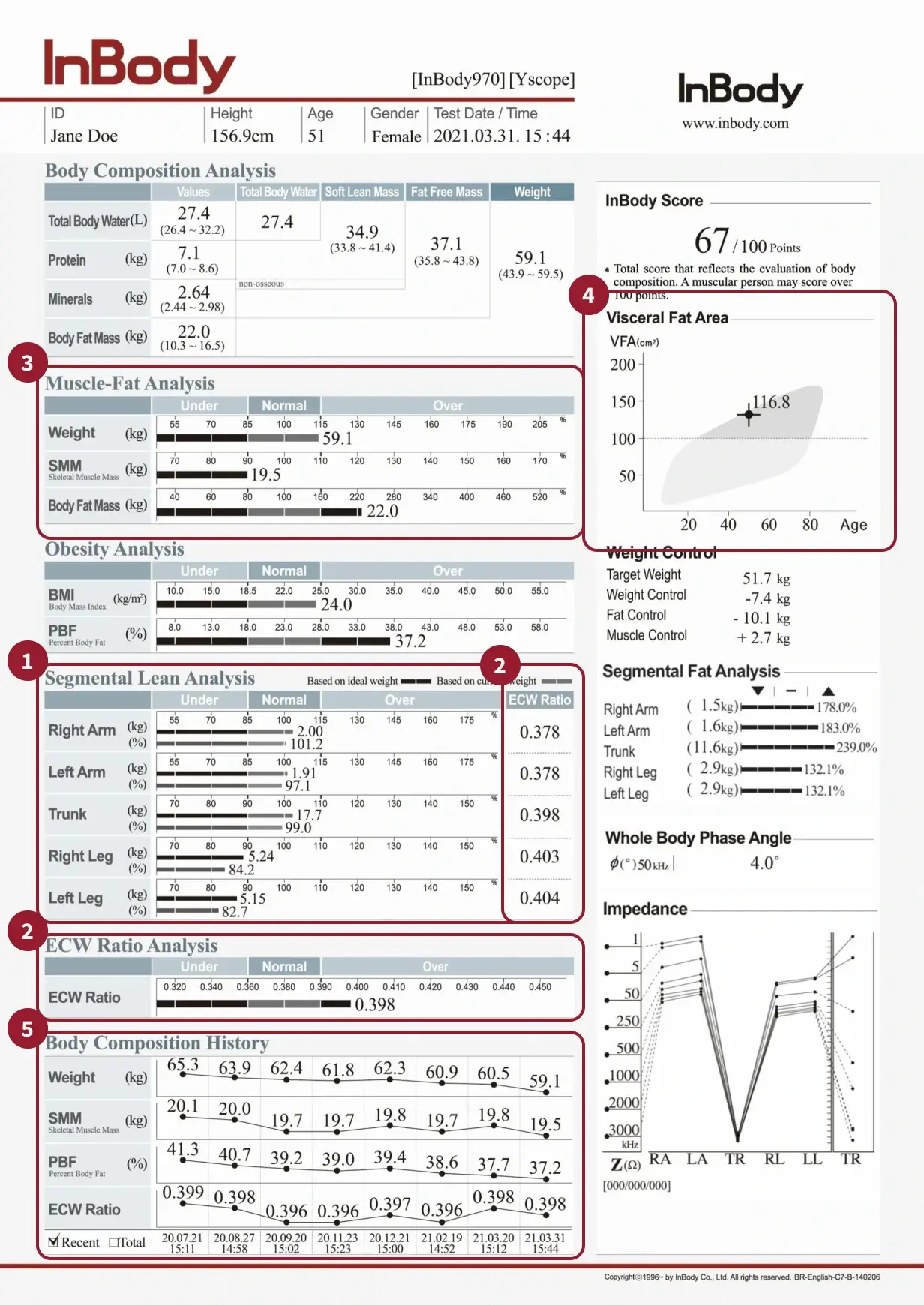
1
Evaluate Leg Muscle Mass
Leg muscles are the body’s largest muscle group and are crucial for glucose uptake. A deficiency in leg muscle mass is associated with a higher risk of insulin resistance. Segmental Lean Analysis and Leg Lean Mass provide insights into muscle distribution, clarifying how changes in leg muscle mass affect glucose metabolism.
2
Monitor Edema or Inflammation using ECW Ratio
ECW Ratio indicates fluid balance and can reveal complications in diabetes, such as edema and inflammation. By analyzing this ratio, healthcare providers can identify fluid imbalances for better treatment decisions.
3
Evaluate Body Fat Mass and Skeletal Muscle Mass
Diabetes often relates to excess body fat or low muscle mass, affecting insulin sensitivity. Muscle-Fat Analysis identifies which factor is more influential, aiding in creating tailored strategies to enhance insulin sensitivity for better diabetes management.
4
Assess Visceral Fat Area
InBody measures visceral fat, which is strongly linked to insulin resistance and the development of Type 2 diabetes. By monitoring Visceral Fat Area, individuals and healthcare professionals can assess the risk of diabetes and make informed decisions for better diabetes management.
5
Long-Term Health Monitoring
InBody provides detailed body composition data, enabling individuals with diabetes to track progress over time. Regular assessments help evaluate effectiveness of treatments for managing blood glucose and preventing complications.
Validated and used in
More than 6,000 research studies
Discover more about the utilization of InBody in diabetes management.
Request InBody Studies Compilations Related to Diabetes
Popular Devices for Diabetes
- [
](/product/bwa2-0s/)
[

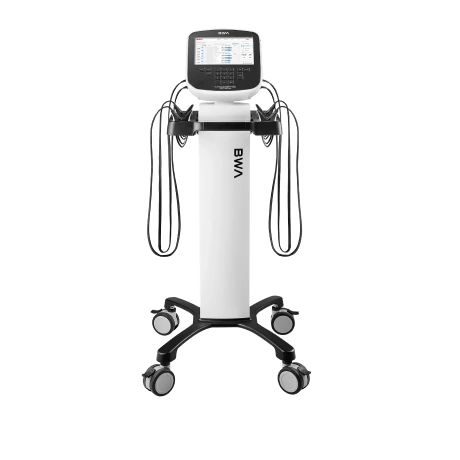
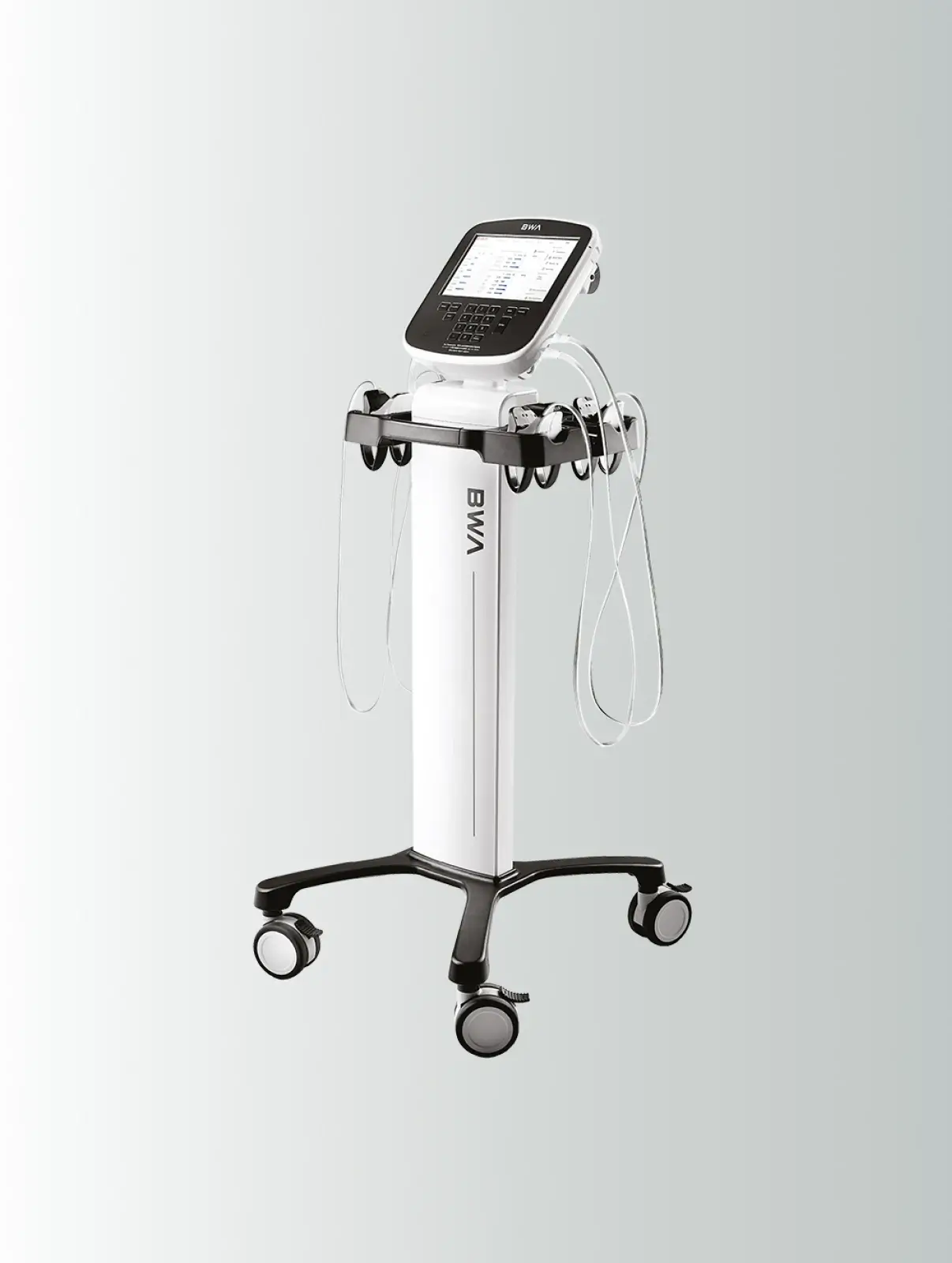
## BWA2.0S

](/product/bwa2-0s/)

Professional Body Water Analyzer- [
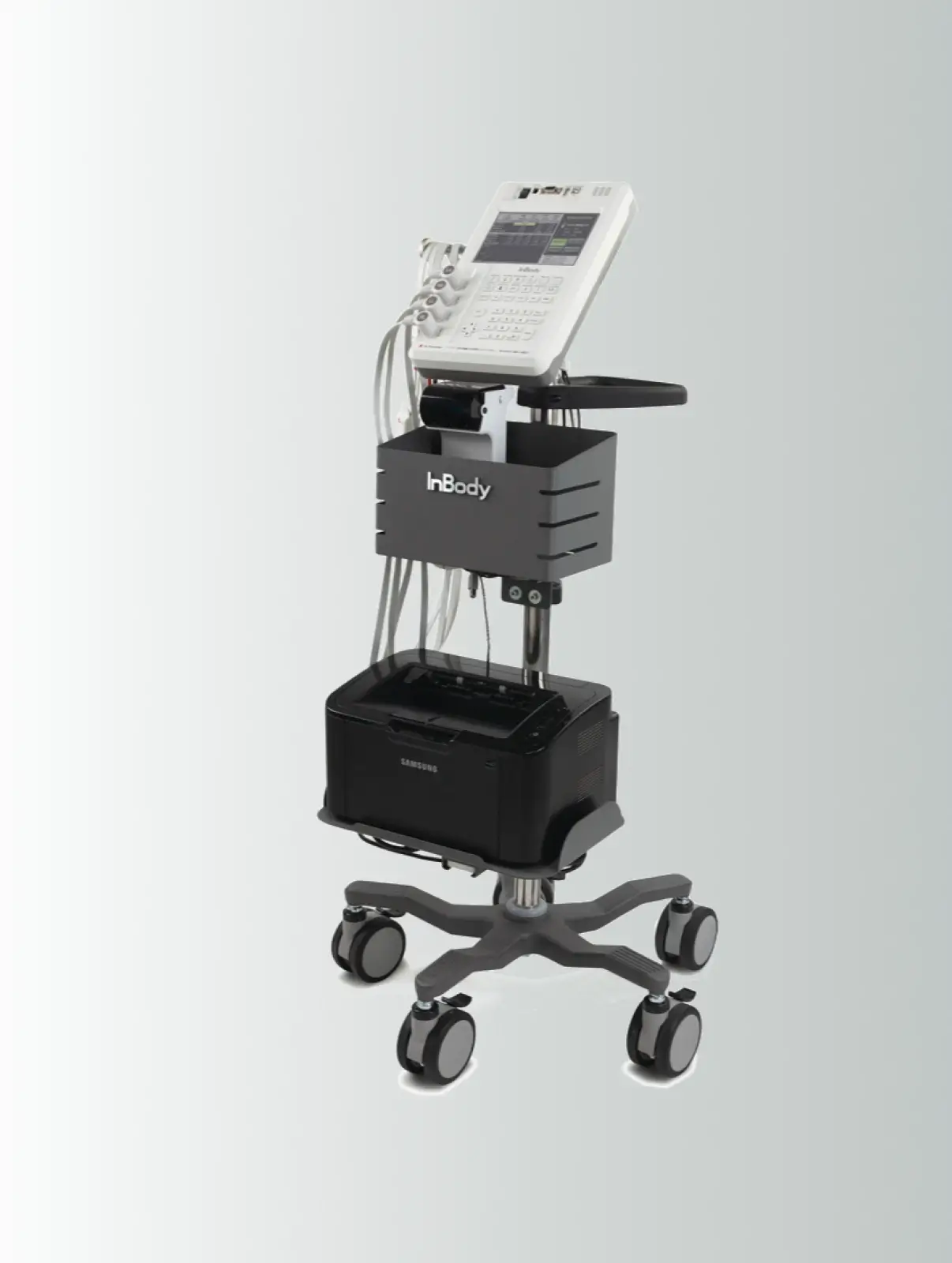
](/product/inbody-s10/)
[

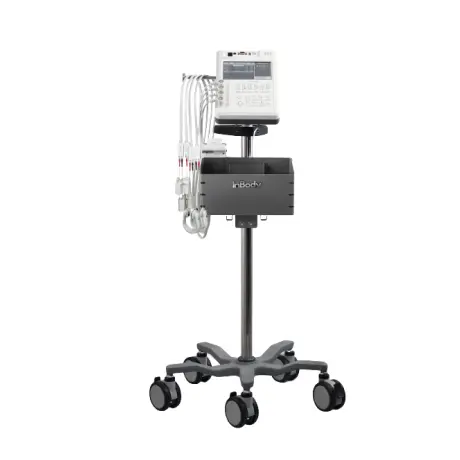
## InBody S10

](/product/inbody-s10/)

Medical Grade Body Water Analyzer- [


](/product/inbody-580/)
[

## InBody580

](/product/inbody-580/)

Comprehensive Body Composition Analyzer- [


](/product/inbody770s/)
[

## InBody770S

](/product/inbody770s/)

Ultimate Body Composition Analyzer- [


](/product/inbody970s/)
[

## InBody970S

](/product/inbody970s/)

Innovative and research-grade Body Composition Analyzer
Let’s get in Touch!
We’re excited to learn more about how InBody can help our business!