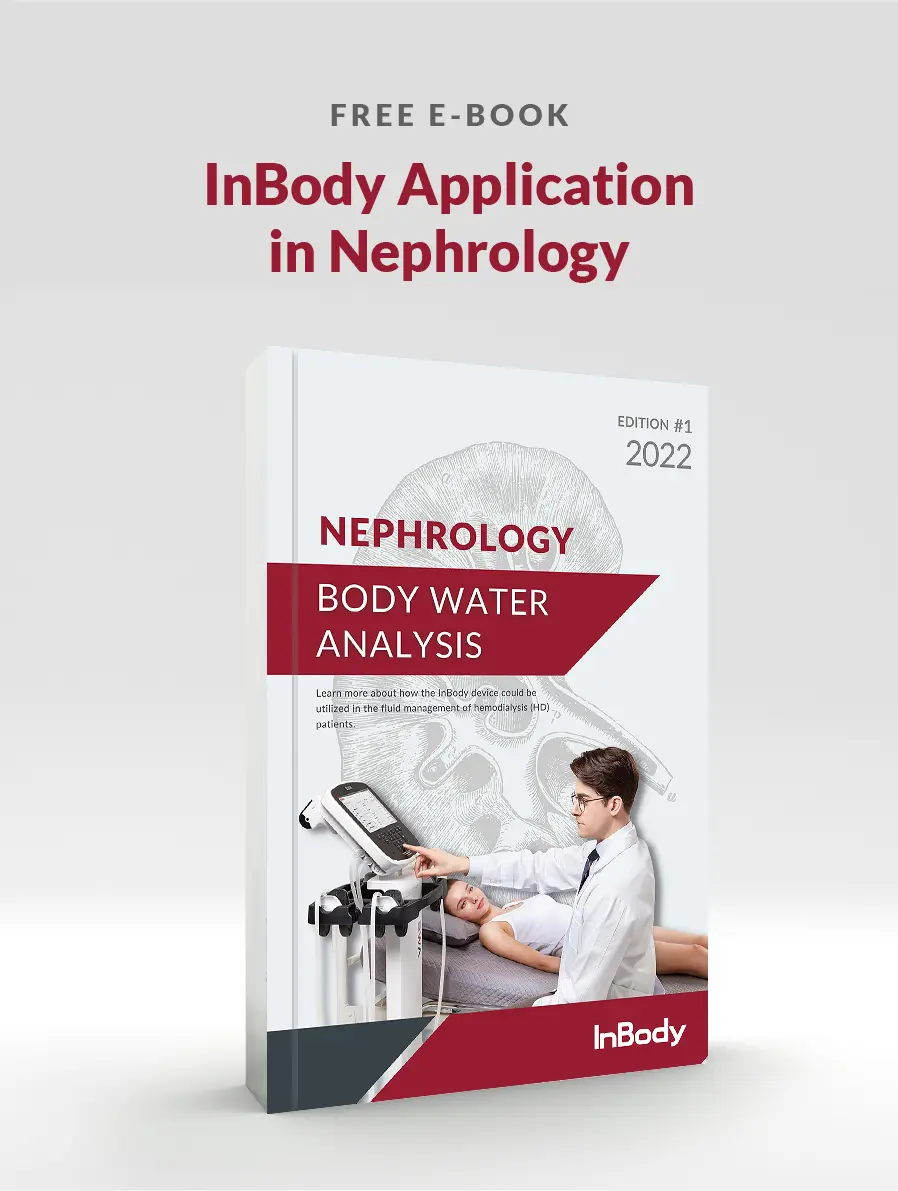
Develop Effective Dialysis Treatment with Objective Fluid Measures
·InBody Asia
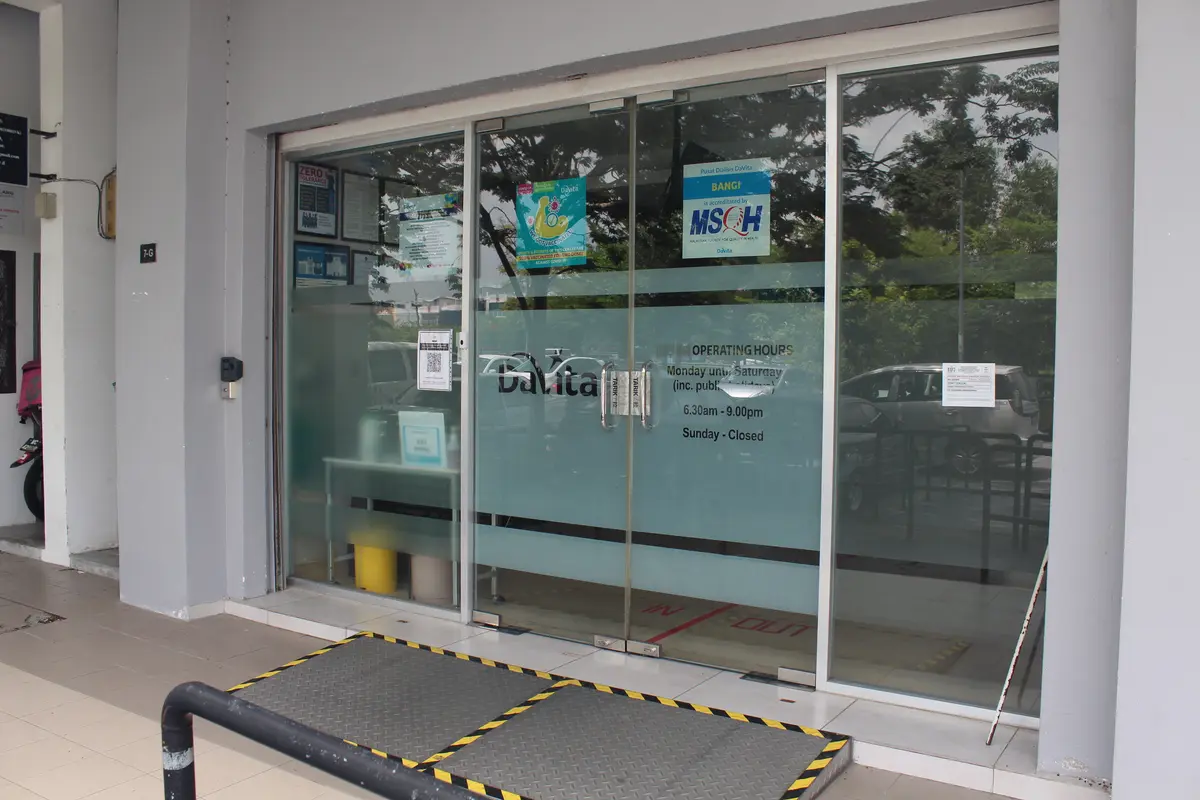
Disclaimer: This webpage content is intended for Healthcare Professionals only, not for general public. InBody devices should be used as an adjunct tool for clinical decision making and are not intended to diagnose or treat any diseases The field of Nephrology focuses largely on body water and dialysis. One of the goals of dialysis is to achieve the target weight where the patient will be at the lowest weight after removing the excess fluid from the bloodstream to obtain a normal hydration level. We speak with one of the leaders in the dialysis field in Malaysia, DaVita Malaysia which has over 40 dialysis centres in Malaysia with more than 2,000 patients in 11 states across the country. DaVita Malaysia is also among the first standalone dialysis provider to receive accreditation from the Malaysia Society for Quality in Health (MSQH).
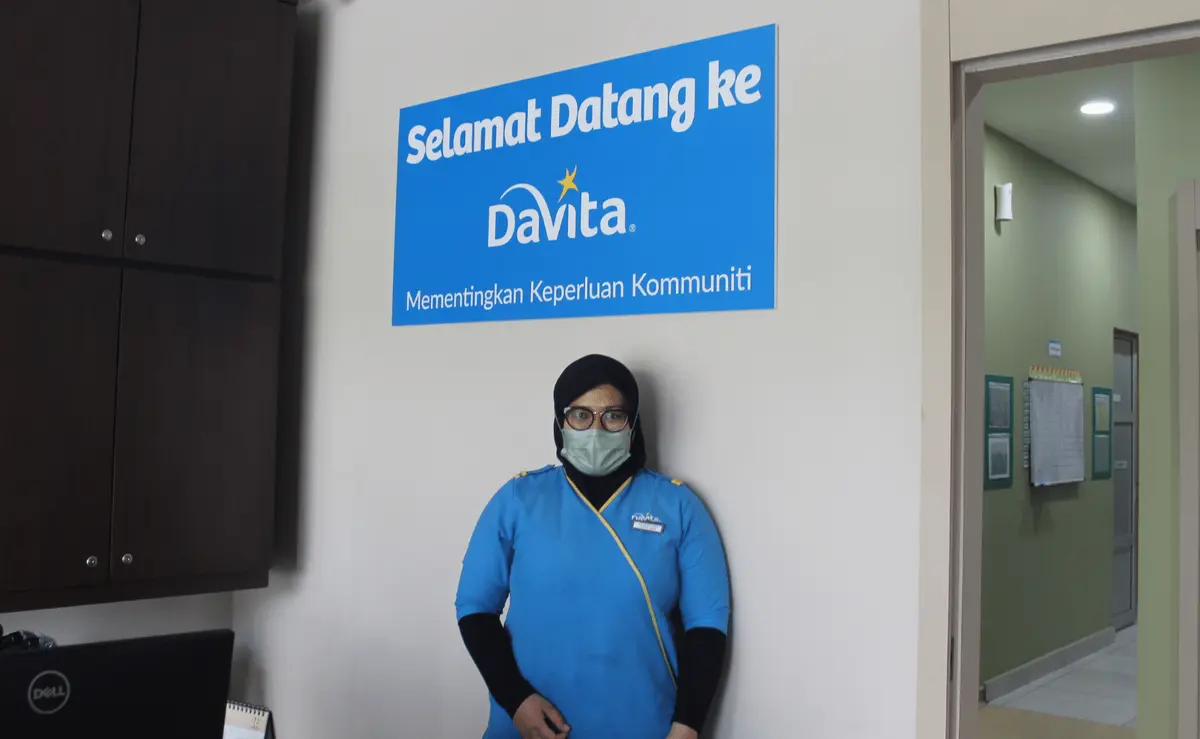
In 2020, DaVita Malaysia adopted the InBody Body Water Analyzer into their setting intending to provide comprehensive care to their patient by looking into the body water analysis to determine a more precise dry weight. To further understand the current practice of body water analysis in DaVita Malaysia, we talk to Siti Aishah Binti Hamzah, a post-basic staff nurse of DaVita Malaysia. With over six years of service in DaVita Malaysia and a total of 10 years of practicing nursing in the dialysis unit, she is the responsible person to manage one of the DaVita Malaysia centres, DaVita Bangi Selangor.
InBody: Would you share the common practice of determining the dry weight of dialysis patients? What were the most challenging parts when determining the dry weight of the patient? Aishah: In most cases, the target dry weight will be prescribed by our Nephrologists based on the patient’s condition such as blood pressure, presence of edema or swelling, chest X-ray, lung sounds related to fluid overload, symptoms of shortness of breath and other symptoms. Setting the dry weight for a dialysis patient requires a ‘trial and error’ method based on the mentioned condition and the patient’s symptoms during dialysis.
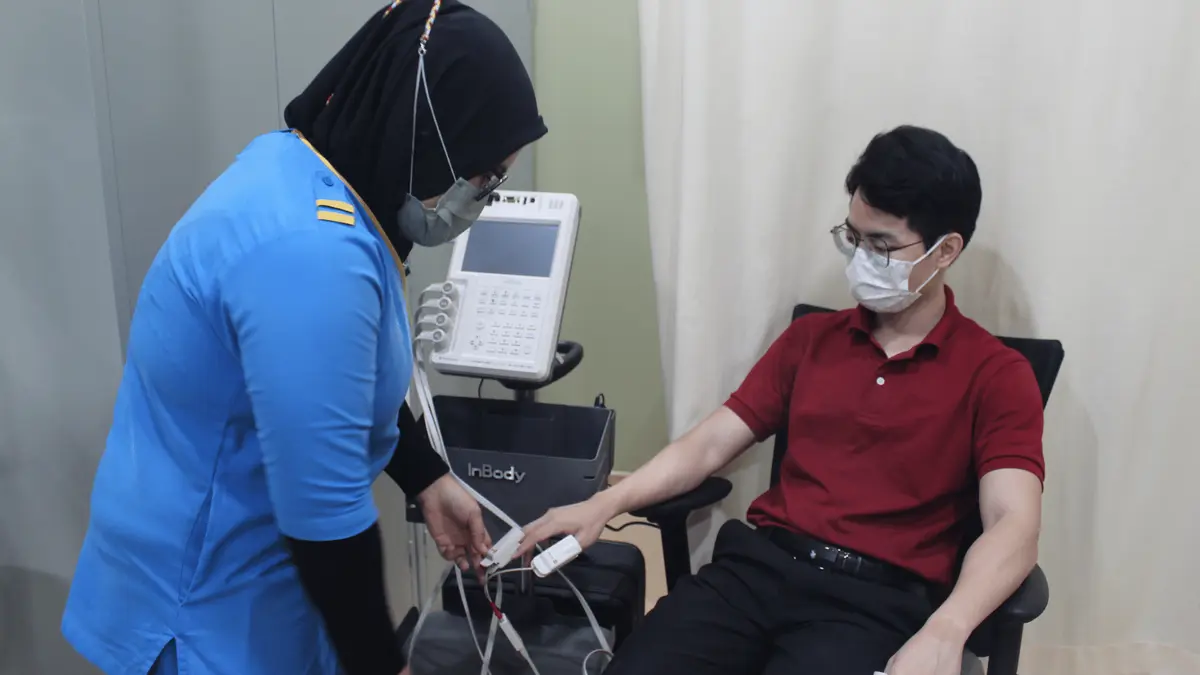
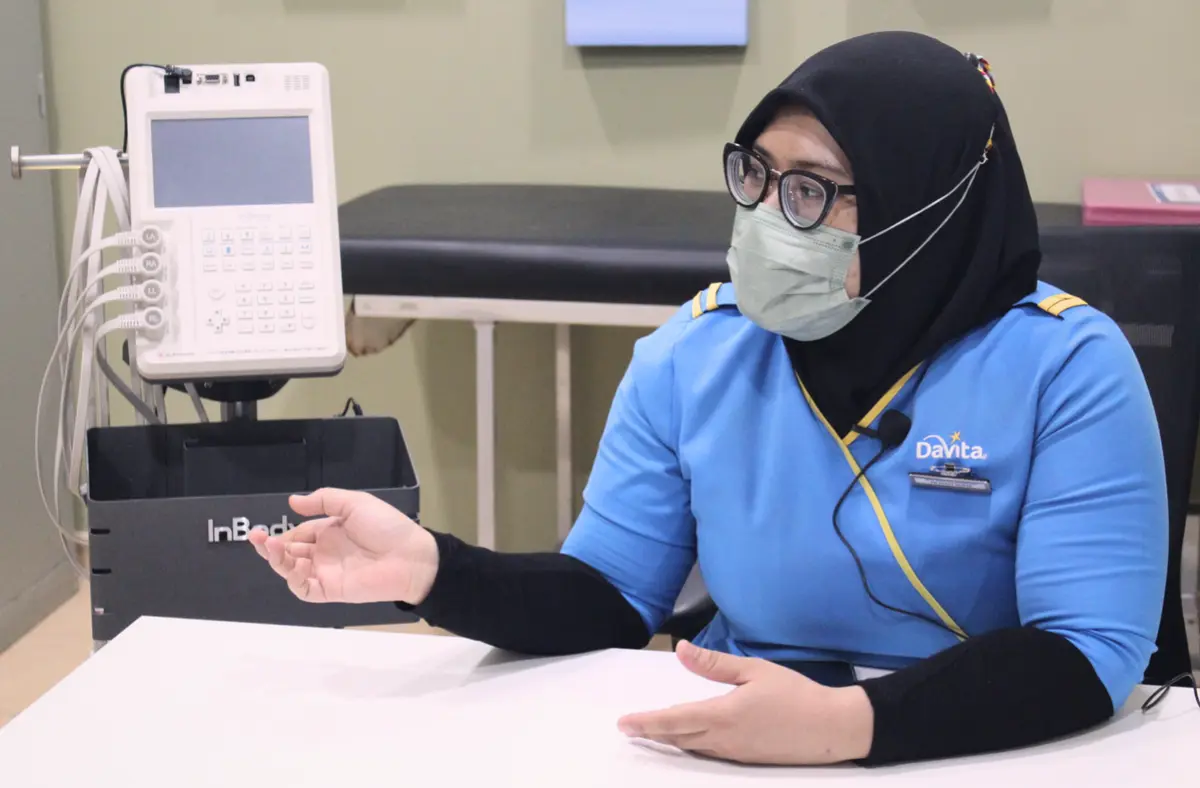
InBody: Do you mind sharing the current practice or how you use the Body Water Analyzer to assess the hydration status of your patient at DaVita Malaysia? Aishah: I have been working closely with the visiting Nephrologist to measure the patients’ body water after their dialysis treatment by using the Body Water Analyzer. Every three months, my team and I will perform the measurement on 57 patients from DaVita Bangi, just before their next clinical visit with the Nephrologist. After taking the measurement, I will export the data from the machine to the software for data extraction before we share it with the Nephrologist. **
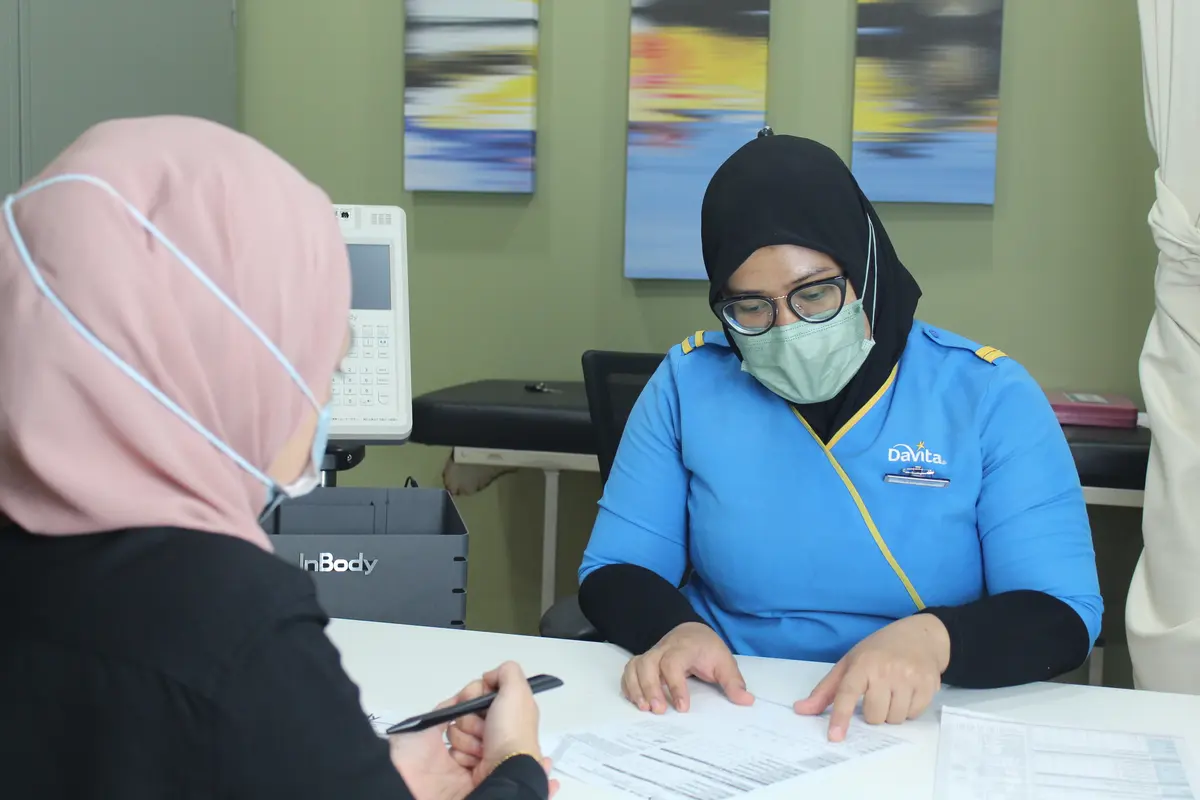
**InBody: Why Nephologists are interested to look into the body water analysis when assessing the patient’s hydration? Aishah: Our Nephrologist saw a great opportunity for the Body Water Analyzer in assessing the hydration status and providing an objective assessment of body water for every dialysis patient. In every clinical visit by the Nephrologists, they will look into the patient’s dialysis progress, blood test, and current medical condition together with the body water analysis. The assessment of fluid status is one of the essential aspects to increase the success of dialysis treatments while avoiding any interdialytic complications such as hypo- or hypertensive episodes. Relieving these symptoms in patients leads to better long-term outcomes. Managing the fluid overloaded problems may also reduce the chances of further complications and hospitalization.
Application of InBody in Nephrology
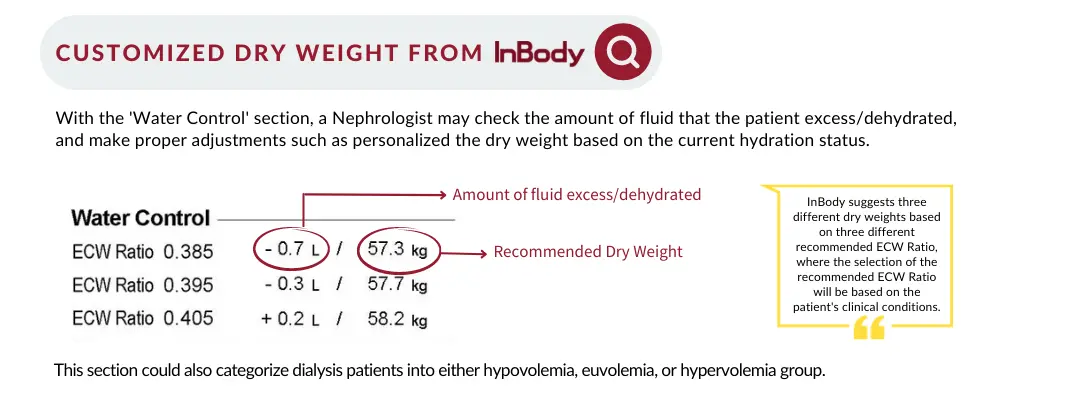
InBody: Which parameters that the Nephrologists will look into from the Body Water Analyzer result sheets when assessing the patients during the clinical visit? Aishah: ECW Ratio Analysis and Water Control are the most common parameters referred to by the Nephrologist. With this information, the Nephrologist can observe the current fluid status objectively which give us a better idea. Besides, the Water Control will be used to identify the target dry weight based on the patient’s current hydration status.
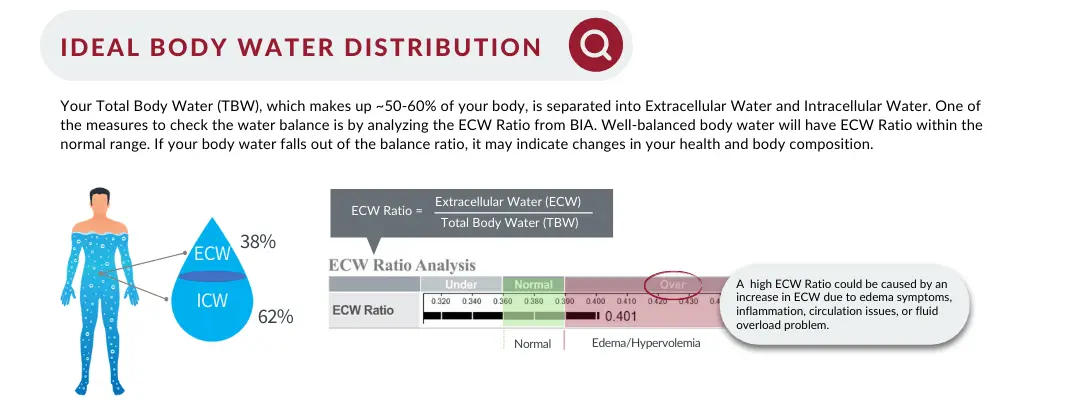
In some cases, the increase in ECW Ratio does not really means a fluid overload, but it can reflect in the reduction of Intracellular Water (water in the muscle) that can be caused by malnutrition or sarcopenia. InBody: How does the Nephrologist use the parameter called ‘Water Control’ to complement the other assessment of dry weight? Aishah: Since the machine could provide three options for the target dry weight, our Nephrologist will make sure that the patient can achieve within these three options. From the Nephrologists’ expertise and patients’ medical conditions, the target dry weight will be adjusted to meet either of these three options so that the patients can achieve a euvolemic state if they are having a problem with fluid overload. **
**InBody: From your perspective, did you observe any changes in terms of the patient’s health condition? Aishah: We can see the reduction in the number of patients that were admitted to the hospital due to fluid overload problems over the past one to two years. Most of the patients showed a positive reaction and feedback towards the revised target dry weight from the Body Water Analyzer. They were excited to know their current hydration status and become much more confident with the revised dry weight after being shown their current hydration status from the body water report.
The Next Step of Body Water Analysis for Dialysis Centres Fluid management is one of the key applications of the Body Water Analyzer that take the guesswork out of dialysis treatments to identify the most effective treatment options for every patient. Measuring the patient’s fluid objectively and taking a holistic approach to treatment increased the number of patients that achieved the target dry weight after dialysis. In line with DaVita’s mission to provide every patient with better health and quality of life, InBody’s role is not to replace the current assessment of dry weight, but to complement the current practice in obtaining objective fluid measures to guide the dry weight management.

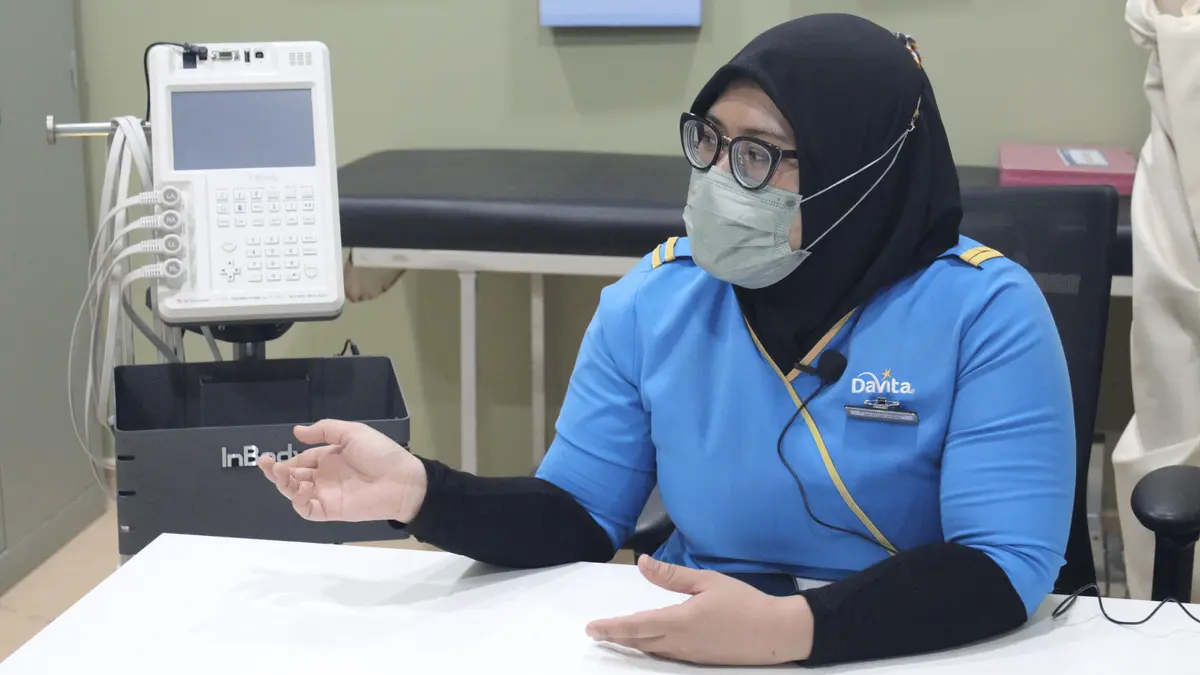
InBody clinical manager, Nazira visited Davita Bangi Selangor to learn about their experience with Body Water Analysis.
What’s different about the InBody S10? The InBody S10 is a research-grade portable body water analyzer that is widely used in the dialysis profession. It can help dialysis patients in having their body water evaluated and providing data for physicians to carry out intervention to help the patient attain dry weight. InBody S10 is also specifically designed for immobile or amputee patients measurement in supine or sitting position, with attachable electrodes used to detect excess fluid and monitor cellular health.